
Training Capacity
That Answers To Your Schedule
Full tactile flight training devices that give airline training departments their own capacity for procedures, familiarization, and readiness, so full flight simulator time goes to what only an FFS can do.
Full flight simulator time is scarce, scheduled far ahead, and expensive to expand. When a fleet grows or a training program changes, the bottleneck is rarely instructor capability. It is access to a device.
Training departments end up building schedules around someone else’s availability, sending crews offsite, and spending premium simulator hours on familiarization that could have happened earlier and closer to home.
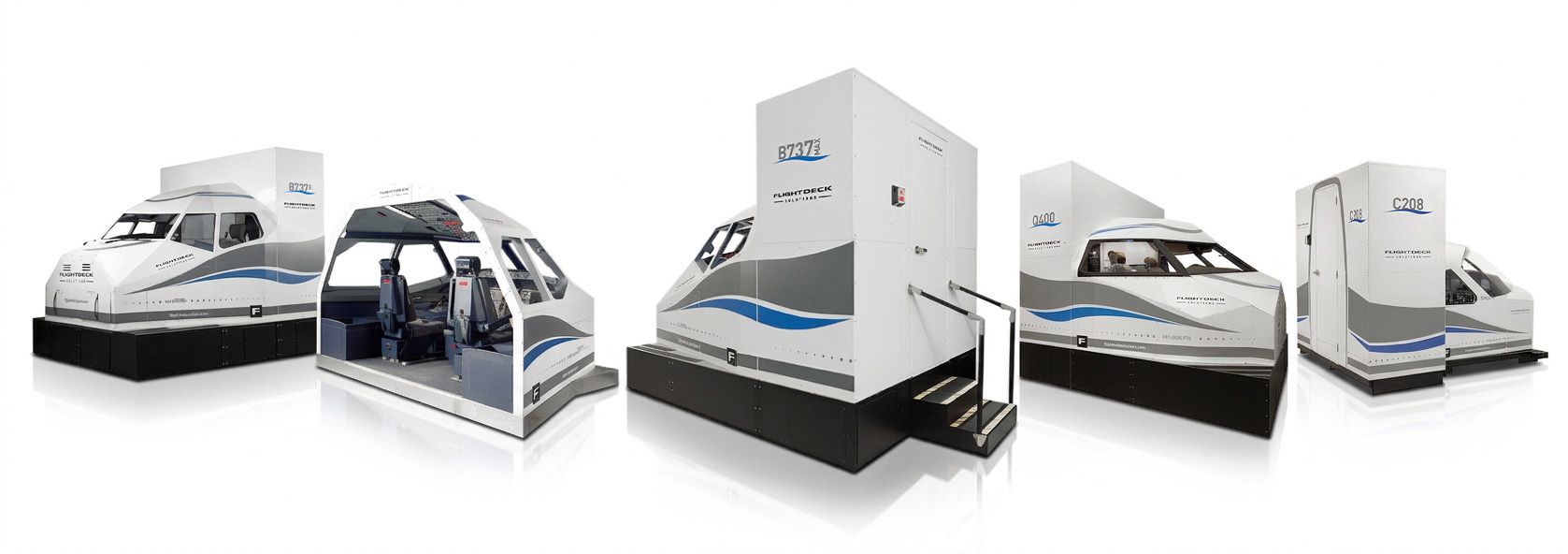
How do airlines use fixed-base flight training devices alongside full flight simulators?
Airlines use fixed-base flight training devices to handle the training that does not require a full flight simulator: cockpit familiarization, normal and abnormal procedures, flows, and crew coordination. That protects scarce FFS hours for the manoeuvres and assessments only an FFS can deliver, and it means pilots arrive at type-rating training already familiar with the flight deck rather than learning it on premium simulator time.
Because the device sits at the airline’s own facility, the training department controls when it runs and who uses it. Programmes can be scheduled around operational demand rather than around an external provider’s calendar, and capacity can be added ahead of fleet growth rather than in reaction to it.
How FDS Helps
Control your own training schedule
An on-site device means your training department decides when crews train, without booking around an external provider's calendar or sending people offsite.
Protect full flight simulator hours
Familiarization and procedures work happens on the fixed-base device, so FFS time goes to the manoeuvres and checks that genuinely require it.
Pilots arrive ready, not adapting
Full tactile flight decks let crews build real familiarity before type-rating training, rather than spending early FFS sessions getting used to the cockpit.
Add capacity ahead of fleet growth
Bring training capability online as the fleet expands, instead of waiting for external simulator availability to catch up.
Support recruitment and assessment
Beyond recurrent and procedures training, the devices support practical examinations during pilot recruitment, giving a consistent, repeatable environment for evaluating candidates.
Recommended Devices
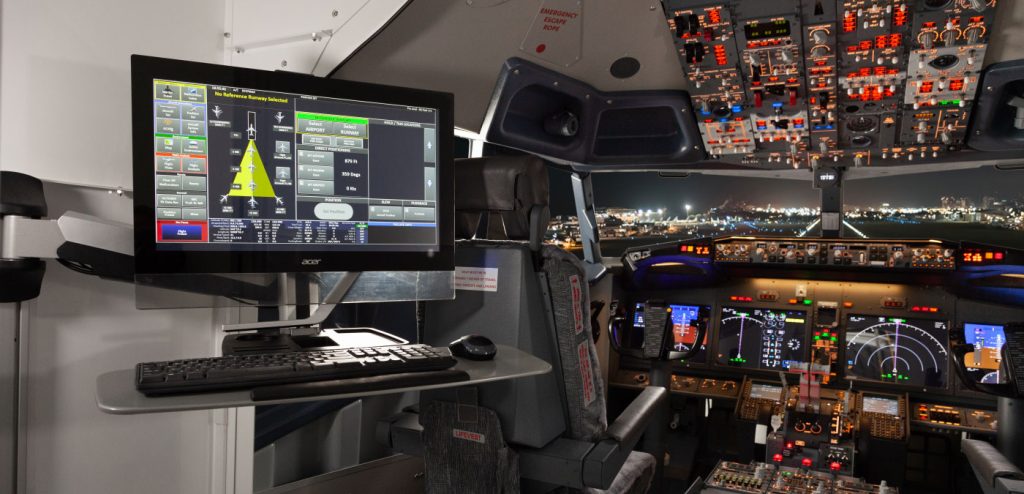
B737MAX
FAA AATD | CERTIFIED
Transport Canada Level 2/MCC | CERTIFIED
FAA Level 4 | COMPLIANT
EASA FNPT2/MCC | COMPLIANT
FDS’s most credentialed device, built for the narrow-body fleet that carries the largest share of airline type-rating demand.
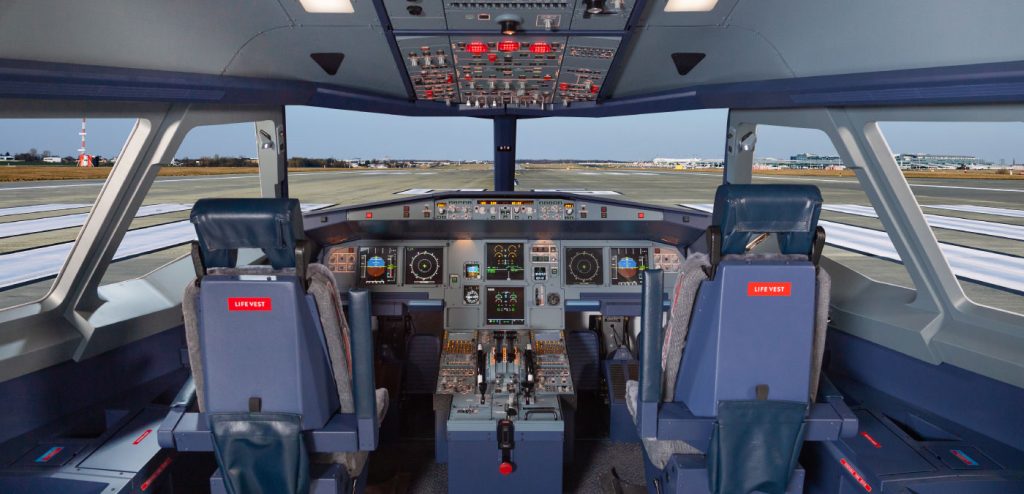
A320
FAA Level 4 | CERTIFIED
EASA FNPT2/MCC | CERTIFIED
FAA AATD | COMPLIANT
Transport Canada Level 2/MCC | COMPLIANT
Authentic sidestick, fly-by-wire flight deck training for A320 fleets and the crews transitioning onto them.
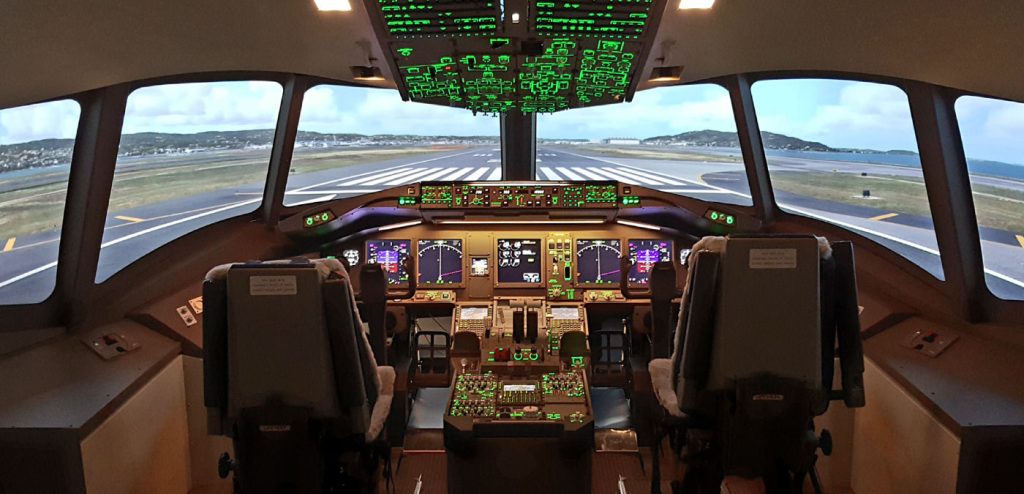
B777
FAA AATD | COMPLIANT
Transport Canada Level 2/MCC | COMPLIANT
FAA Level 4 | COMPLIANT
EASA FNPT2/MCC | COMPLIANT
Wide-body capability for operators expanding 777 flying who want familiarization and procedures training on site.
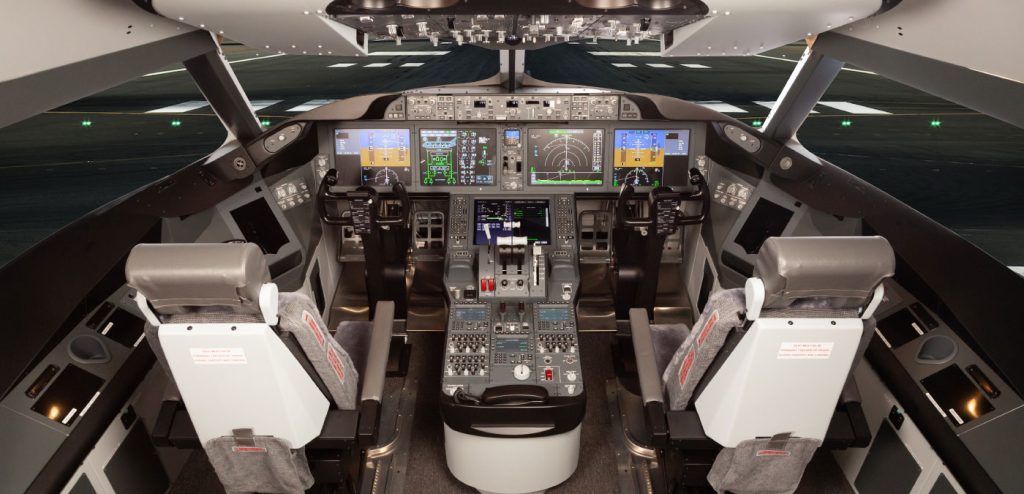
B787
KOCA Level 4 | CERTIFIED
FAA AATD | COMPLIANT
Transport Canada Level 2/MCC | COMPLIANT
FAA Level 4 | COMPLIANT
EASA FNPT2/MCC | COMPLIANT
Wide-body training for 787 operators building readiness ahead of full flight simulator sessions.
Regulators certify each installation individually; certified status reflects FDS installations in service.
What airlines say about FDS
Eastar Jet, Korea’s first 737 MAX operator, brought two FDS devices in-house for its 737 NG and MAX fleet, ending its dependence on external training providers.
DHL Air (UK) added a custom B777 flight training device at its East Midlands Airport facility to support crews moving from its 757 and 767 fleets onto the 777.
Featured Installations
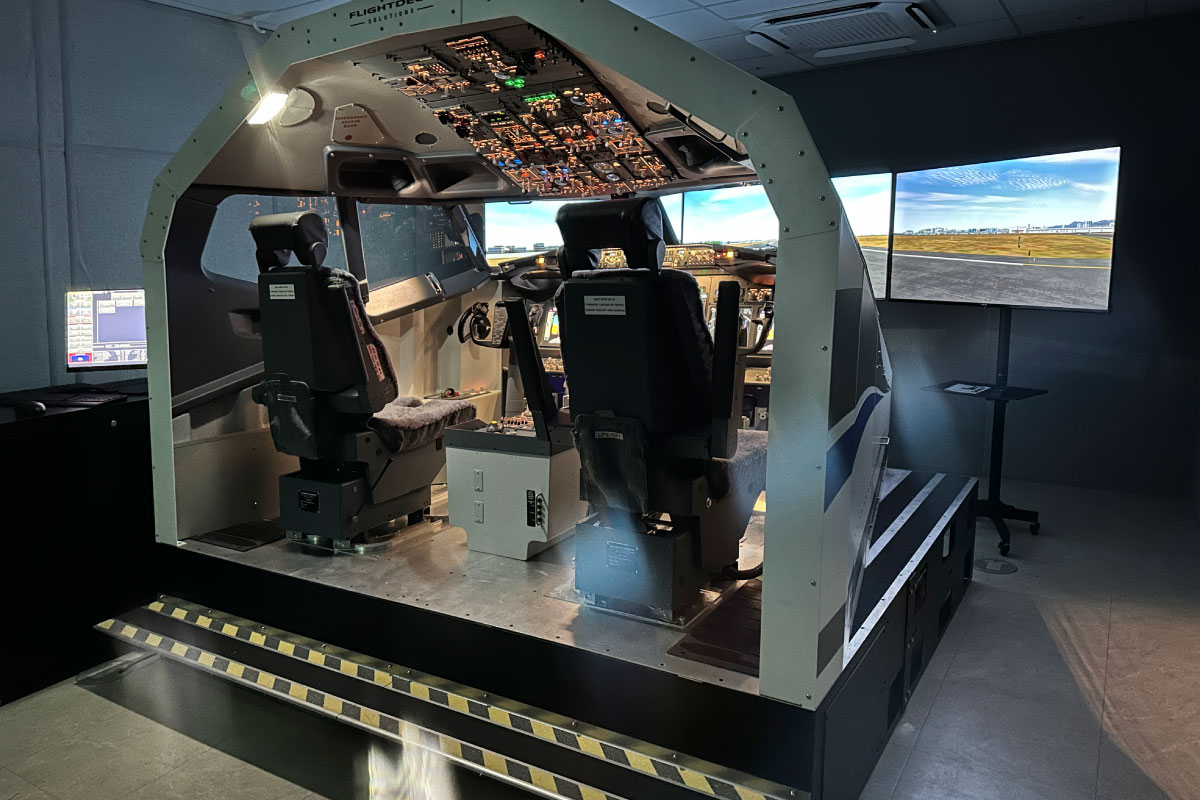
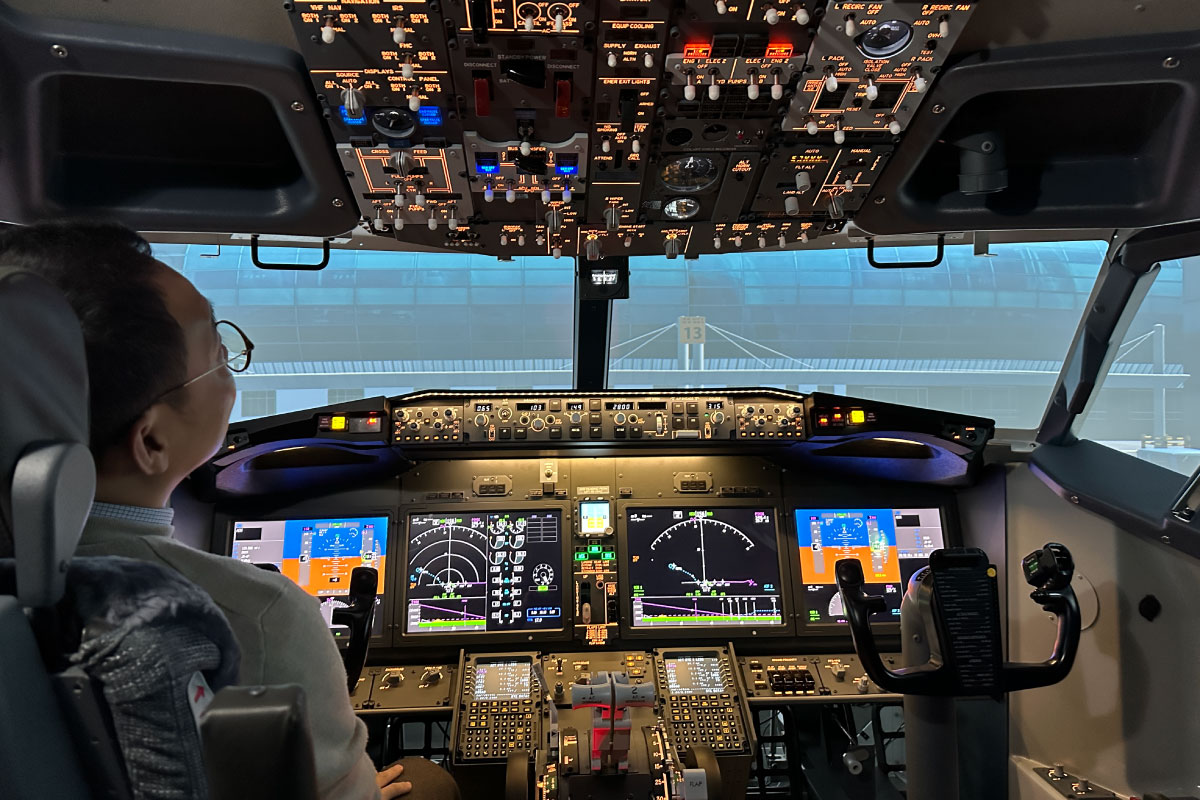
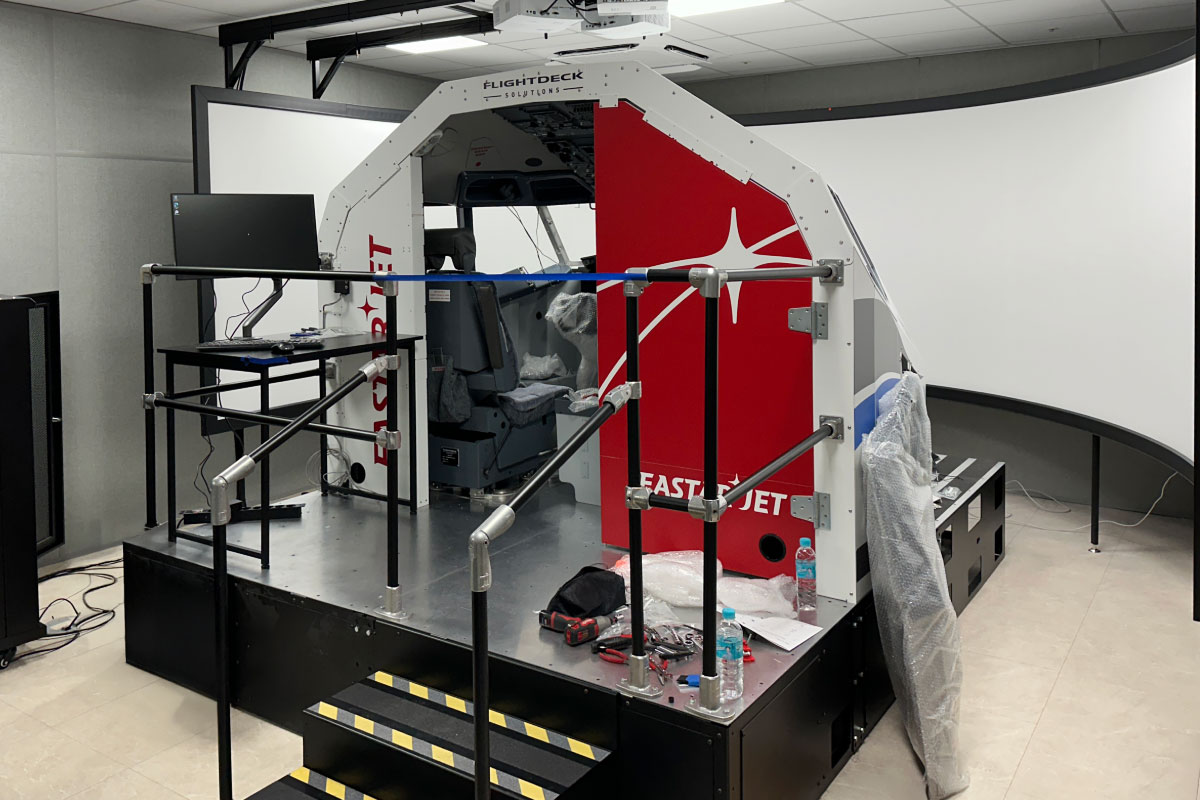
FDS-B737MAX-FTD and FDS-B737NG-FTD Devices at Eastar Jet, Seoul, South Korea.
(Image Credits: Flightdeck Solutions)

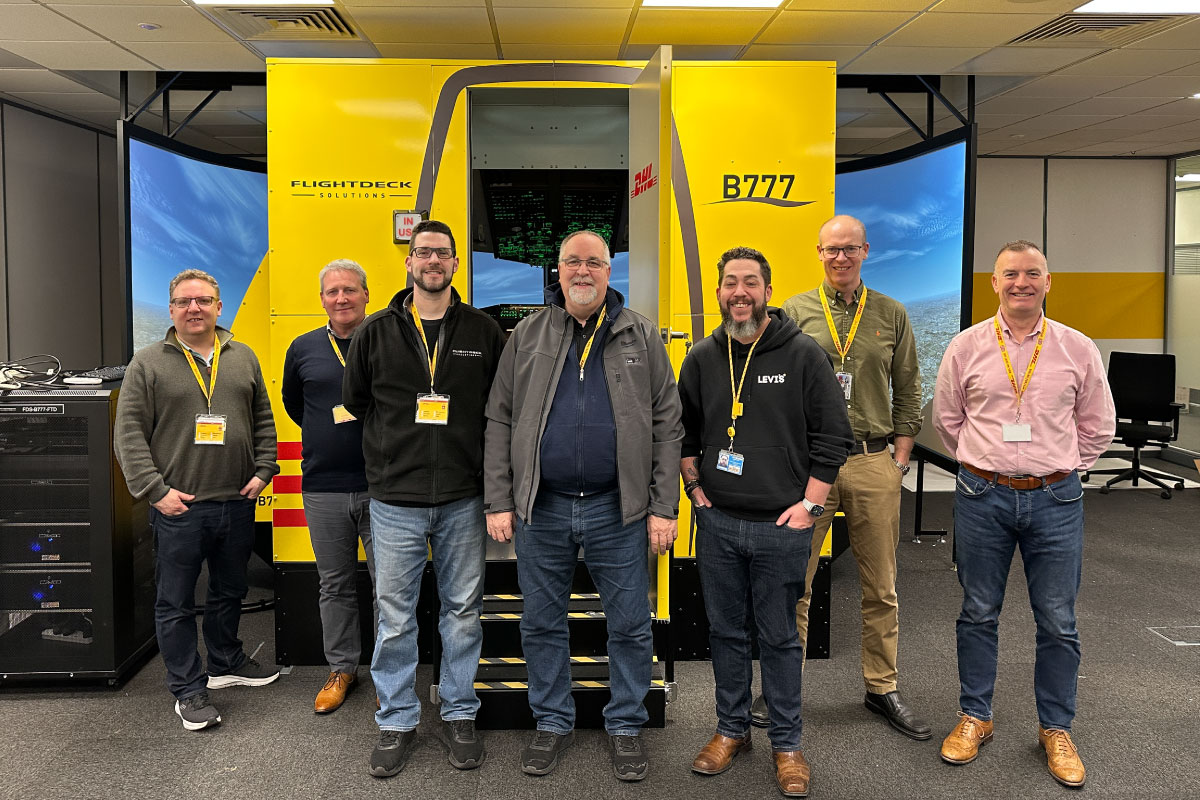
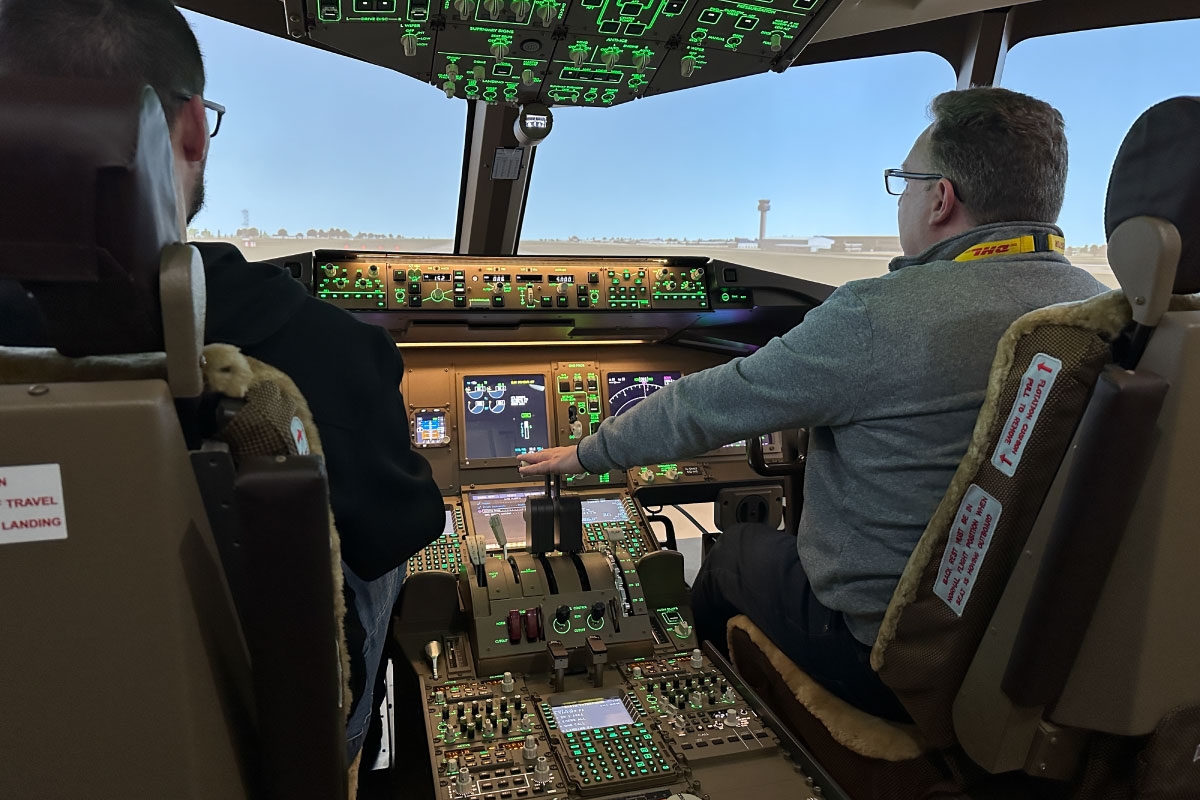
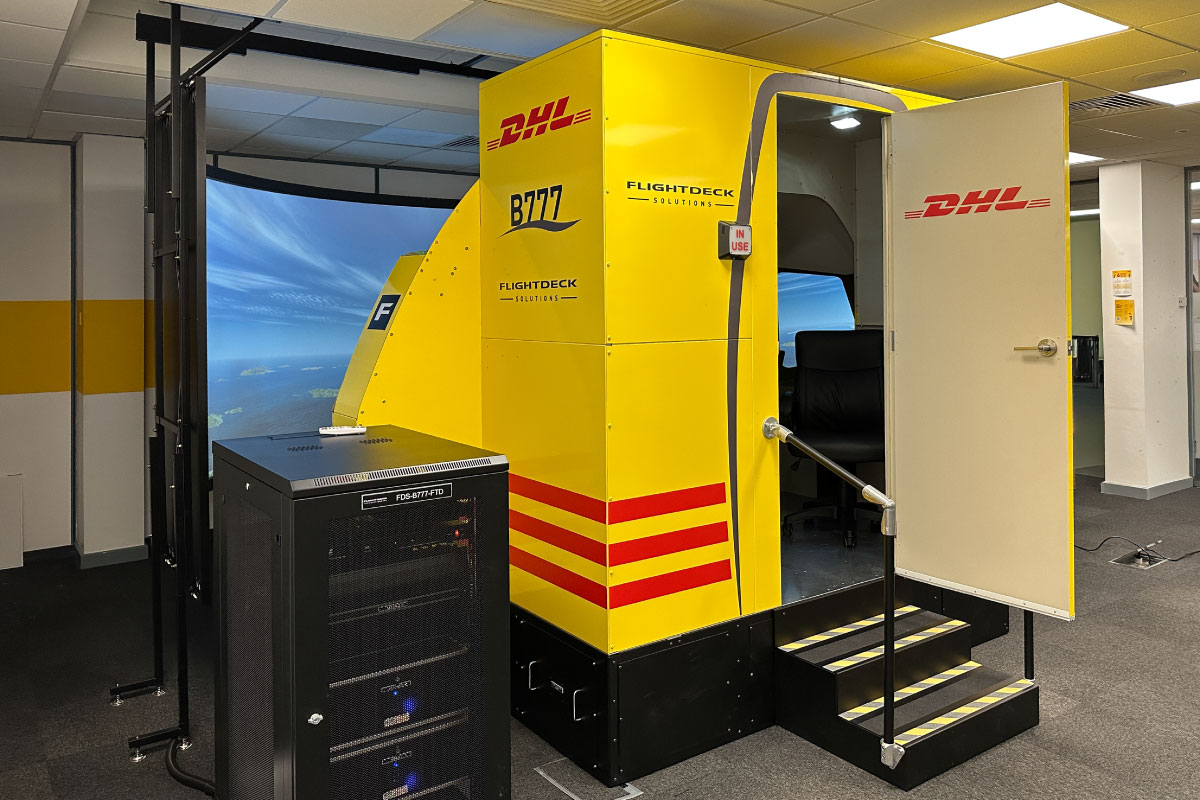
FDS-B777-FTD Device at DHL Air (UK) Ltd., East Midlands Airport, Leicestershire, England, UK.
(Image Credits: Flightdeck Solutions)

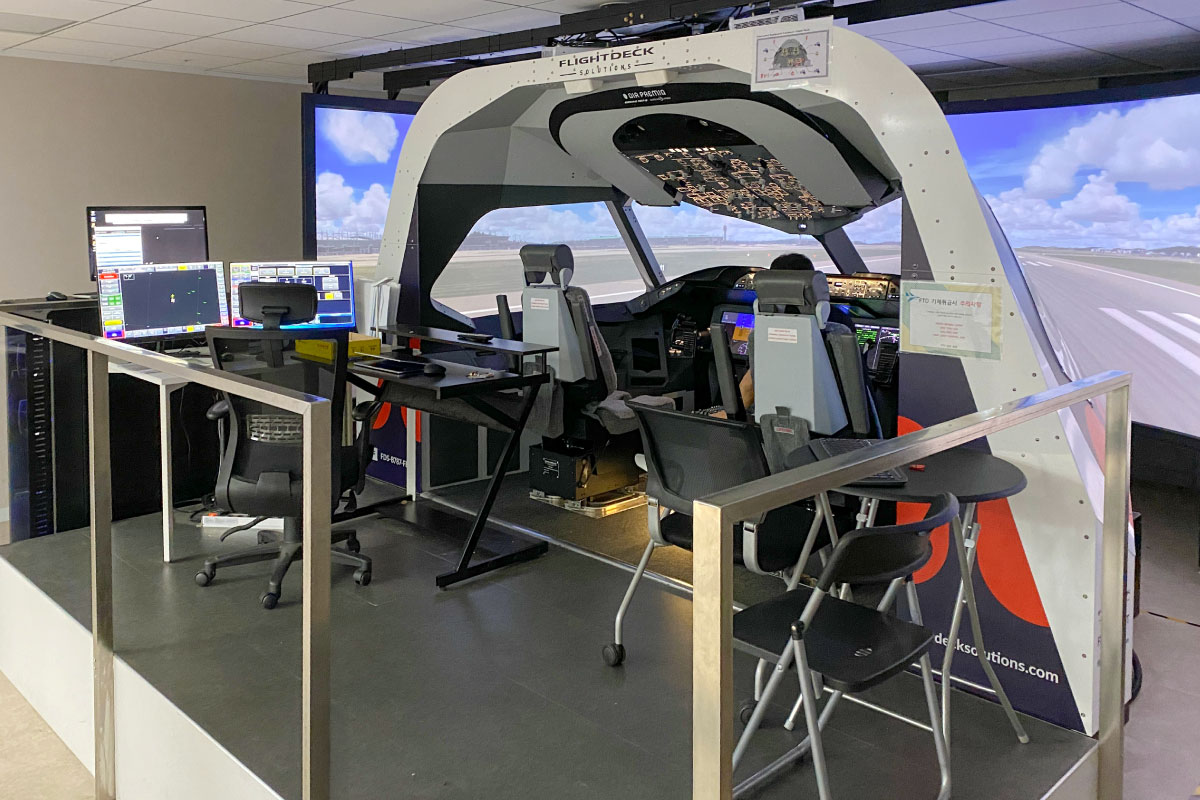
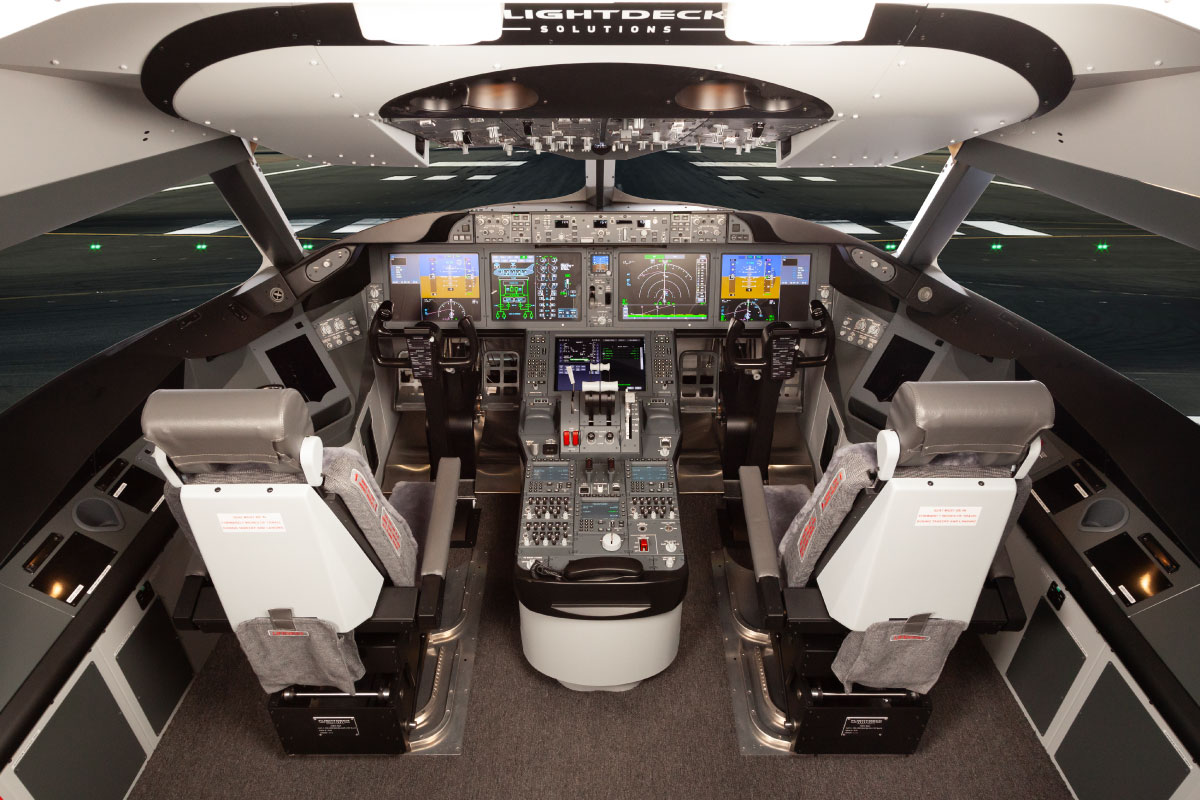
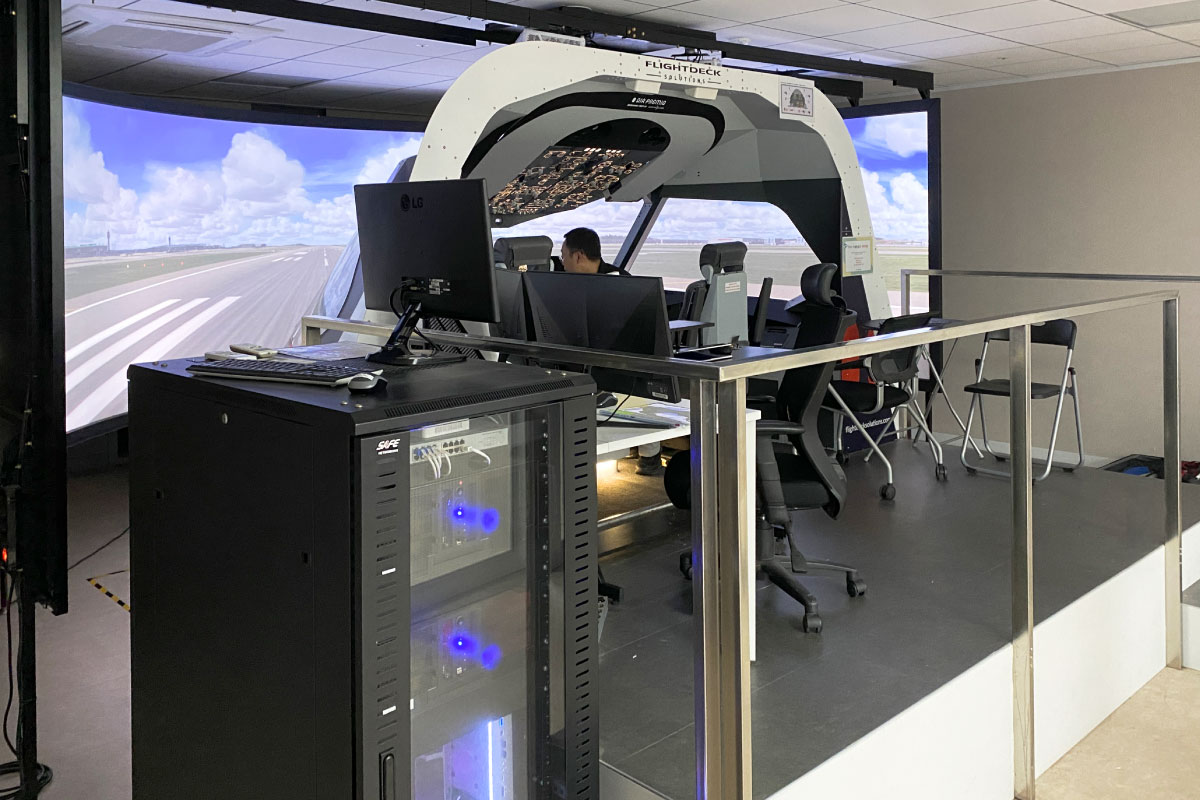
KOCA Level 4 Certified FDS-B787-FTD Device at Air Premia, Seoul, South Korea.
(Image Credits: Flightdeck Solutions)
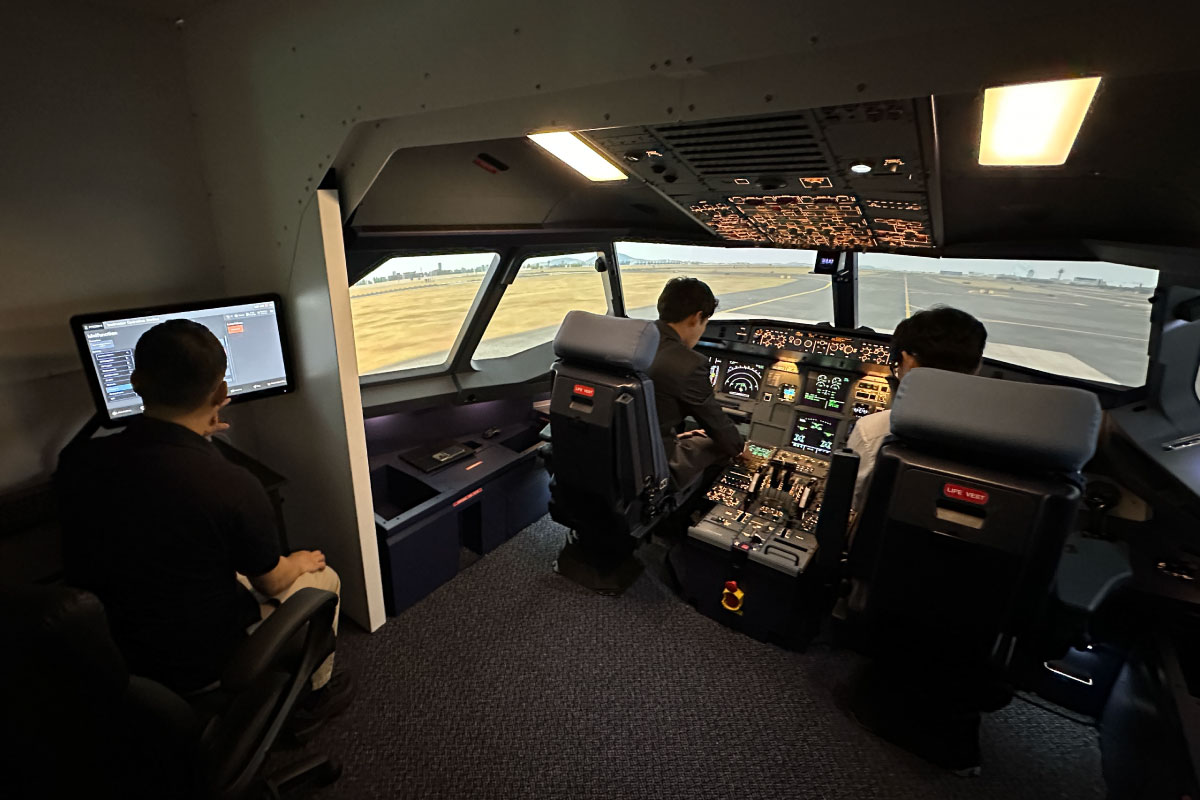
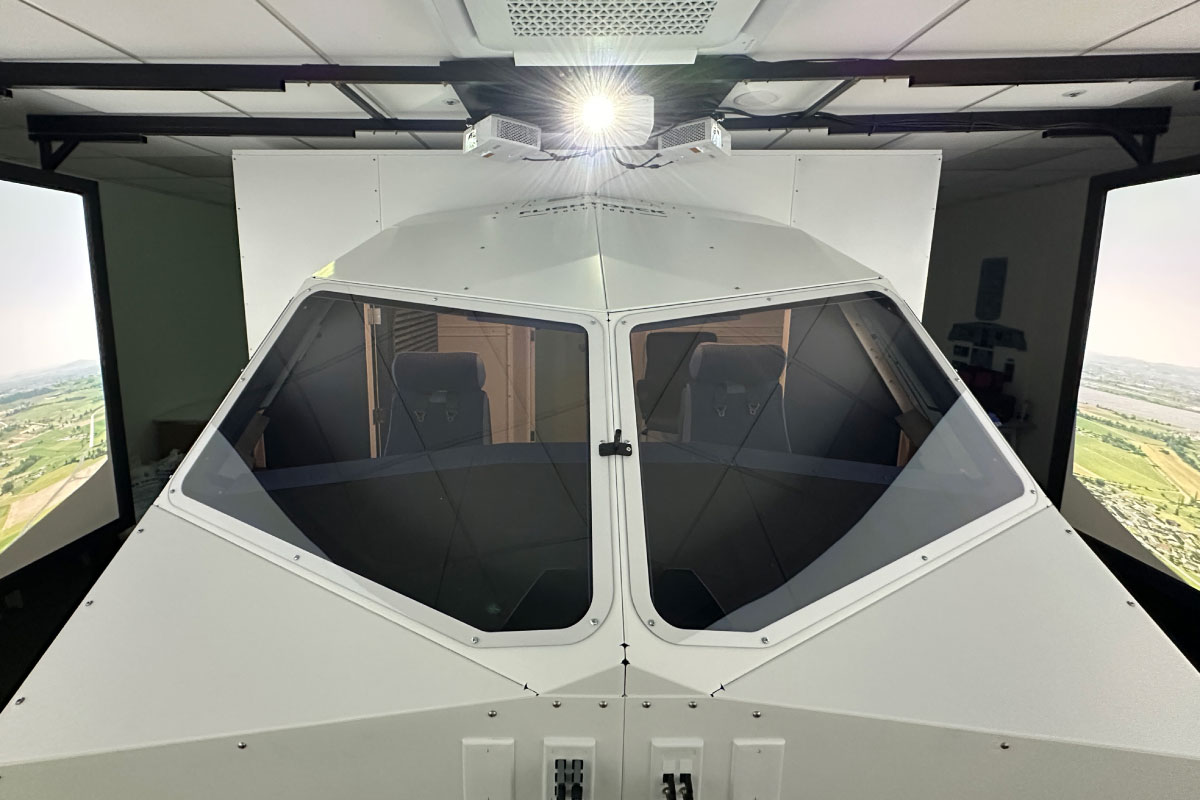
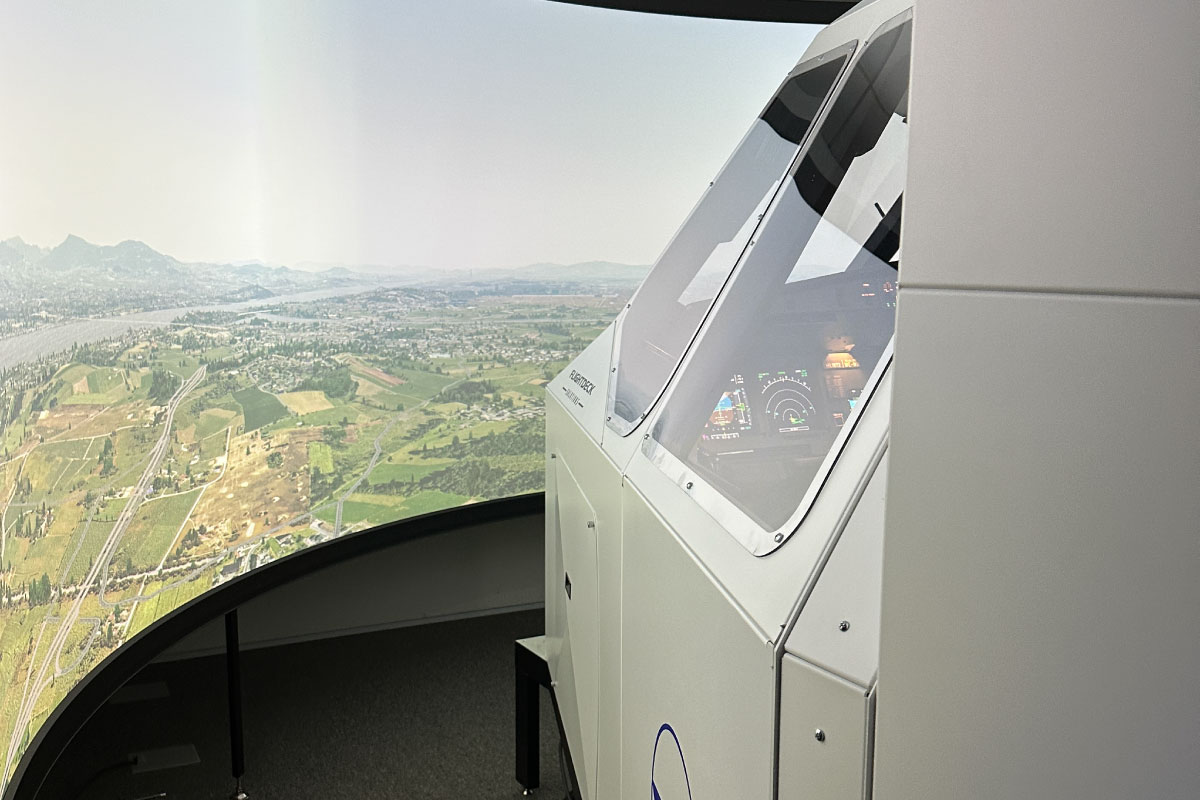
FDS-A320-FTD Device at Parata Air, Yangyang County, South Korea.
(Image Credits: Flightdeck Solutions)
Why FDS
Fits Your Existing Space
Modular, all-metal devices assemble on site and pass through standard doorways, so most facilities install without building modifications.
Built In-House
Engineering and manufacturing under one roof means tight quality control and the flexibility to accommodate custom requirements.
Built To Last
Steel and aluminum construction stands up to high-use training environments that wear out MDF and fibreglass.
Professional-Grade Components
Line replaceable units, commercial control loading, and lockable server racks deliver aircraft realism with equipment-room reliability.
Comprehensive
Manufacturer Support
North American technical headquarters with direct engineering access, remote diagnostics, and international support through regional partners.
FAQs
Can a fixed-base flight training device replace a full flight simulator?
No, and it is not intended to. A fixed-base device handles cockpit familiarization, normal and abnormal procedures, flows, and crew coordination, which protects full flight simulator hours for the manoeuvres and assessments that require an FFS. Airlines use the two together.
What training can crews do on an FDS device?
Cockpit familiarization, normal and abnormal procedures, flows, crew coordination, and scenario practice. Some operators also use the devices for practical examinations during pilot recruitment
How long does installation take, and what does the facility need?
FDS devices use a modular, all-metal design that fits through standard doorways and assembles on site, so most facilities install without building modifications.
Which aircraft types are available for airline training?
FDS builds B737 MAX, B737 NG, A320, B777, B787, and other configurations. The B737 MAX device holds FAA AATD Certification, Transport Canada Level 2 / MCC, and KOCA Level 4 Certification; the A320 device is FAA Level 4 Compliant. Certification services are available for other devices on request.
What support does FDS provide internationally?
Support comes directly from the FDS engineering team, with on-site support internationally through regional partners.
Let's talk about your training capacity
A short consultation to understand your fleet, your training program, and where an on-site device could take pressure off your simulator schedule.