
Give Your Students
a Flight Deck That Matches Their Career Path
Full tactile training devices that help your program strengthen airline pathway readiness, support accreditation goals, and stand out to the students you want to recruit.
Aviation programs are judged on where their graduates end up. You are balancing accreditation requirements, airline pathway expectations, and a recruiting market where prospective students compare programs on the equipment they will train on.
All of that has to fit an institutional budget and an academic calendar.
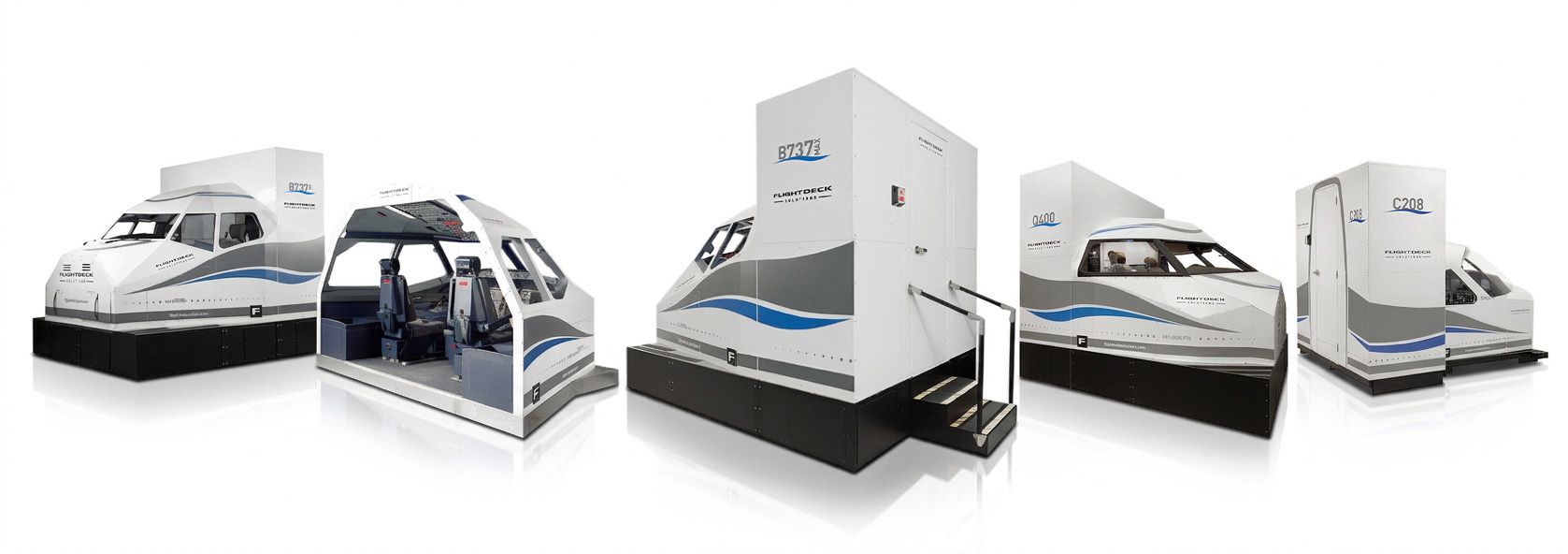
How do university aviation programs use flight training devices?
University aviation programs use fixed-base flight training devices to give students realistic, repeatable procedures training on transport-category aircraft before they reach type-specific or airline training. Full tactile devices let students build real cockpit habits, practise standard operating procedures and crew coordination, and arrive at their airline pathway milestones already familiar with the flight deck.
Because the devices are available on campus and on the program’s own schedule, instructors can integrate them directly into the curriculum rather than competing for offsite simulator time. That supports consistent student outcomes, reinforces accreditation-aligned training standards, and gives the program a visible, professional-grade asset for recruiting.
How FDS Helps
Strengthen your airline pathway readiness
Full tactile flight decks let students practise airline-standard procedures and crew coordination, so they reach pathway milestones already comfortable in a transport-category cockpit.
Recruit and retain the students you want
Prospective students and their families notice professional-grade equipment. An FDS flight deck is a tangible sign that your program trains to industry standards.
Support your accreditation and curriculum goals
Devices built to recognized training standards integrate into your existing curriculum and give faculty a consistent, repeatable environment for procedures and scenario training.
Train on your own schedule and budget
On-campus devices remove the dependency on offsite simulator time, so instructors control when and how often students train, within the institutional budget and calendar you already work in.
Strengthen your
airline pathway readiness
Full tactile flight decks let students practise airline-standard procedures and crew coordination, so they reach pathway milestones already comfortable in a transport-category cockpit.
Recruit and retain
the students you want
Prospective students and their families notice professional-grade equipment. An FDS flight deck is a tangible sign that your program trains to industry standards.
Support your accreditation
and curriculum goals
Devices built to recognized training standards integrate into your existing curriculum and give faculty a consistent, repeatable environment for procedures and scenario training.
Train on your own
schedule and budget
On-campus devices remove the dependency on offsite simulator time, so instructors control when and how often students train, within the institutional budget and calendar you already work in.
Recommended Devices
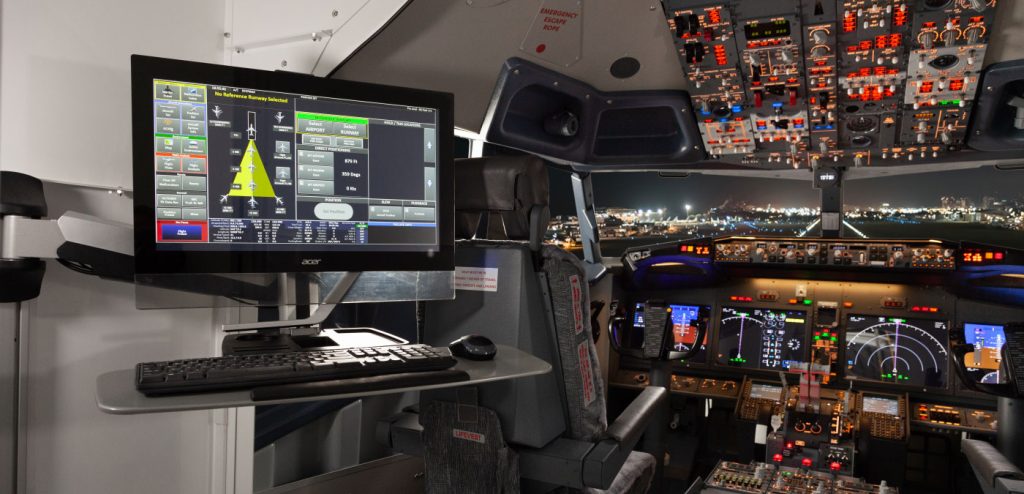
B737MAX
FAA AATD | CERTIFIED
Transport Canada Level 2/MCC | CERTIFIED
FAA Level 4 | COMPLIANT
EASA FNPT2/MCC | COMPLIANT
FDS’s most credentialed device and a strong anchor for airline pathway readiness on the world’s most widely flown narrow-body family.
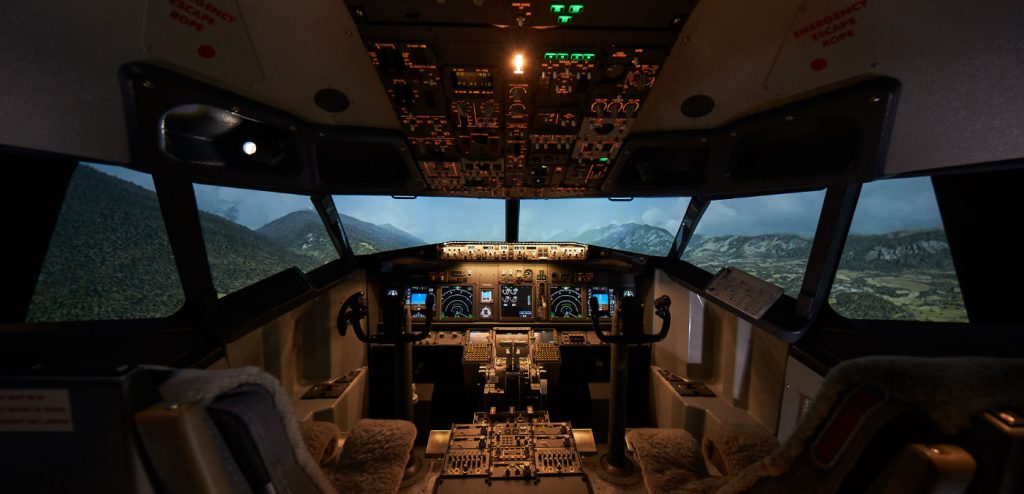
B737NG
FAA AATD | COMPLIANT
Transport Canada Level 2/MCC | COMPLIANT
FAA Level 4 | COMPLIANT
EASA FNPT2/MCC | COMPLIANT
A proven 737 platform that puts students in a narrow-body cockpit with the systems and flows they will meet in the airlines.
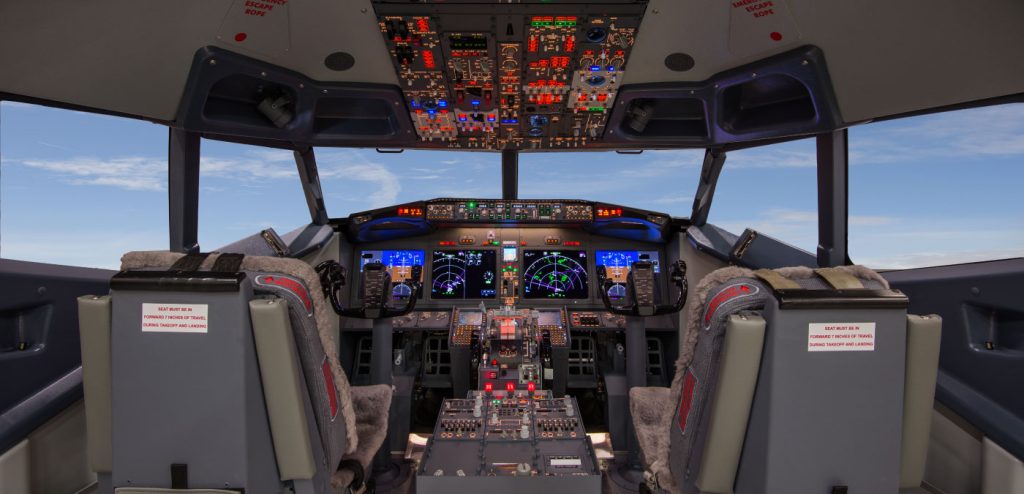
A320
FAA AATD | COMPLIANT
Transport Canada Level 2/MCC | COMPLIANT
FAA Level 4 | COMPLIANT
EASA FNPT2/MCC | COMPLIANT
Authentic sidestick, fly-by-wire flight-deck training for programs whose pathway points at the A320 family.
What university aviation programs say about FDS
UNO integrated an FDS B737NG device into its program to support airline pathway training and student recruitment.
Featured Installations
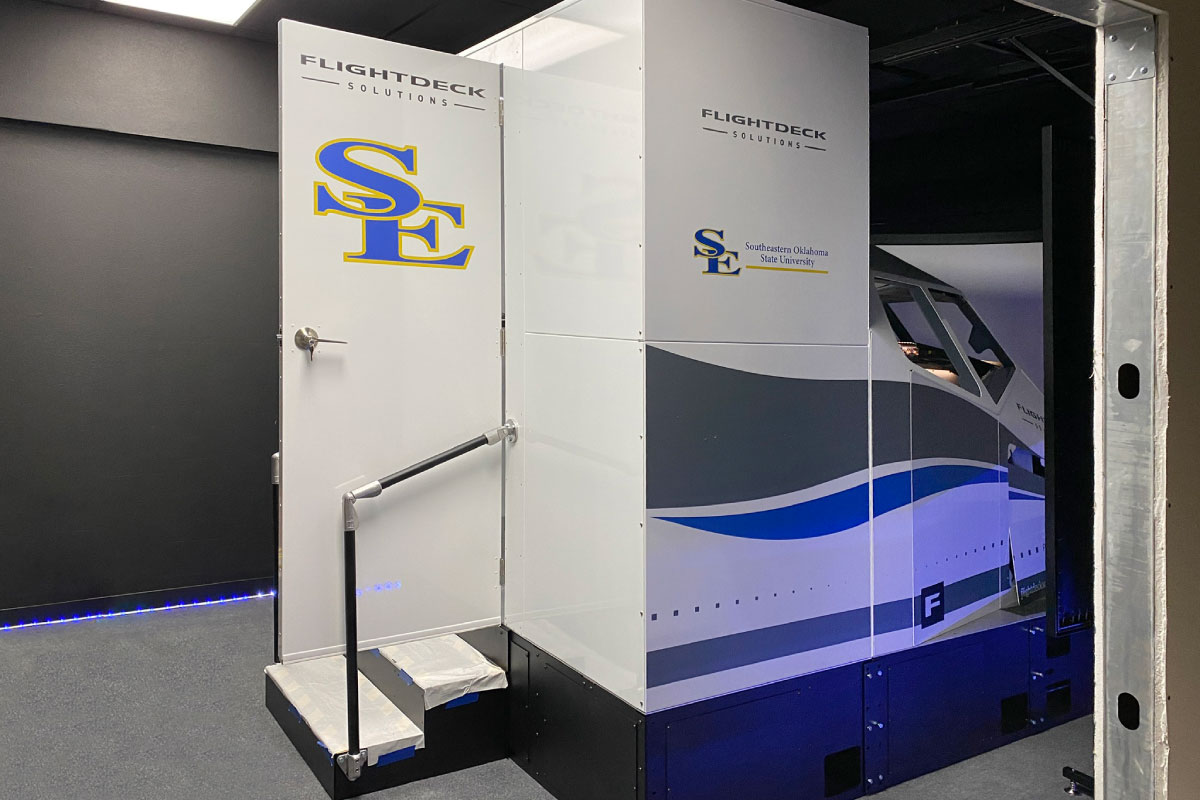
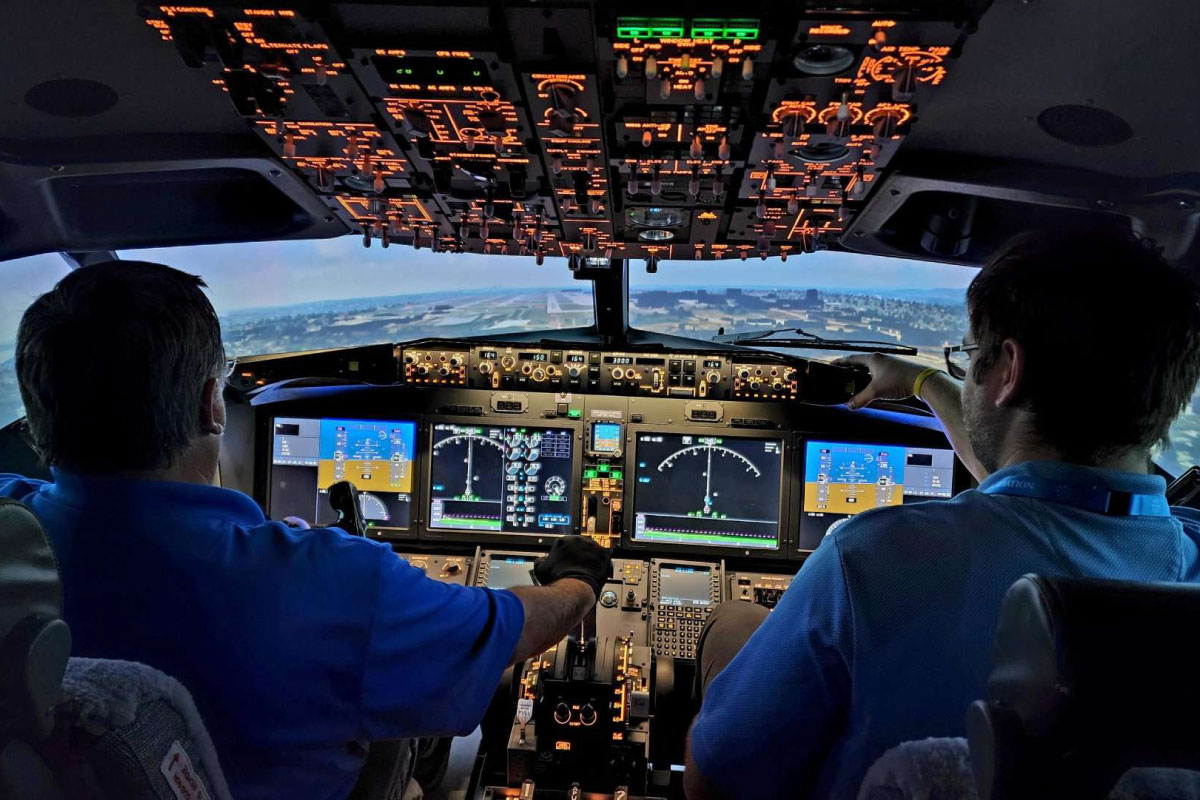
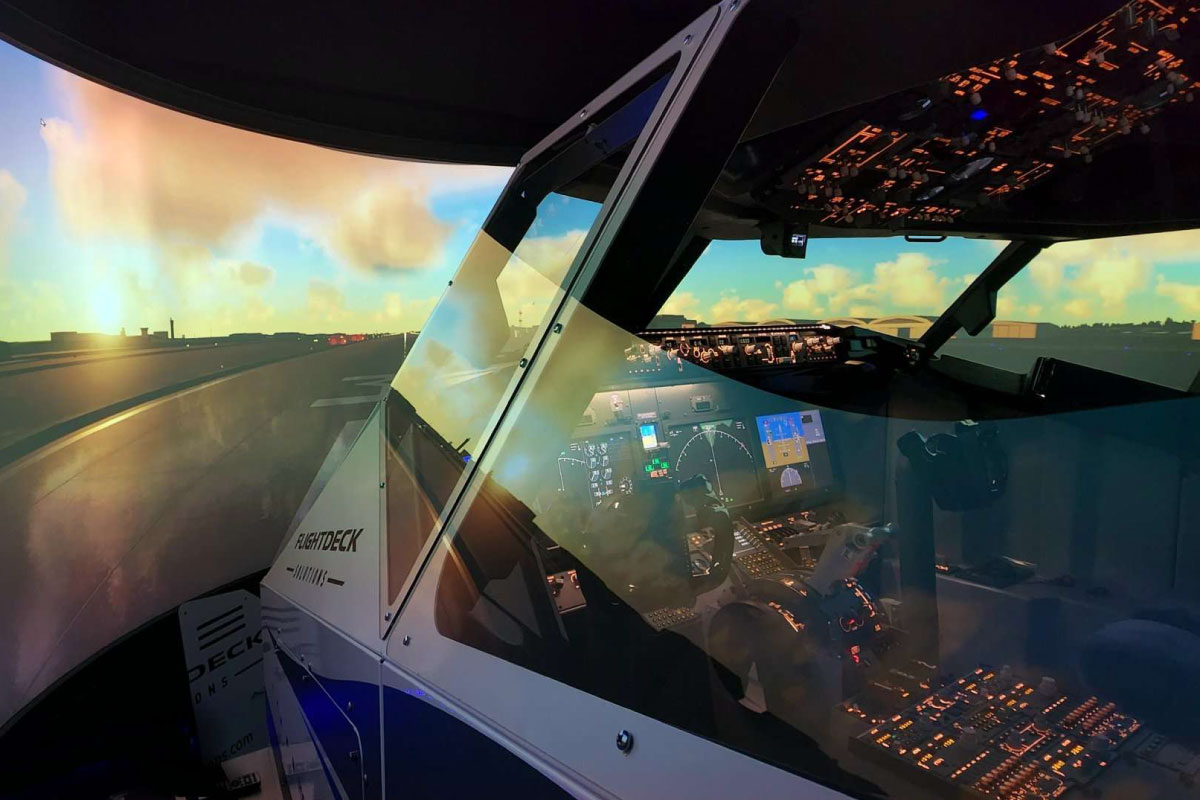
FDS-B737MAX-FTD Device at Southeastern Oklahoma State University’s Aviation Sciences Institute, Durant, OK, USA.
(Image Credits: Sides – FDS; Middle – Aviation Sciences Institute)

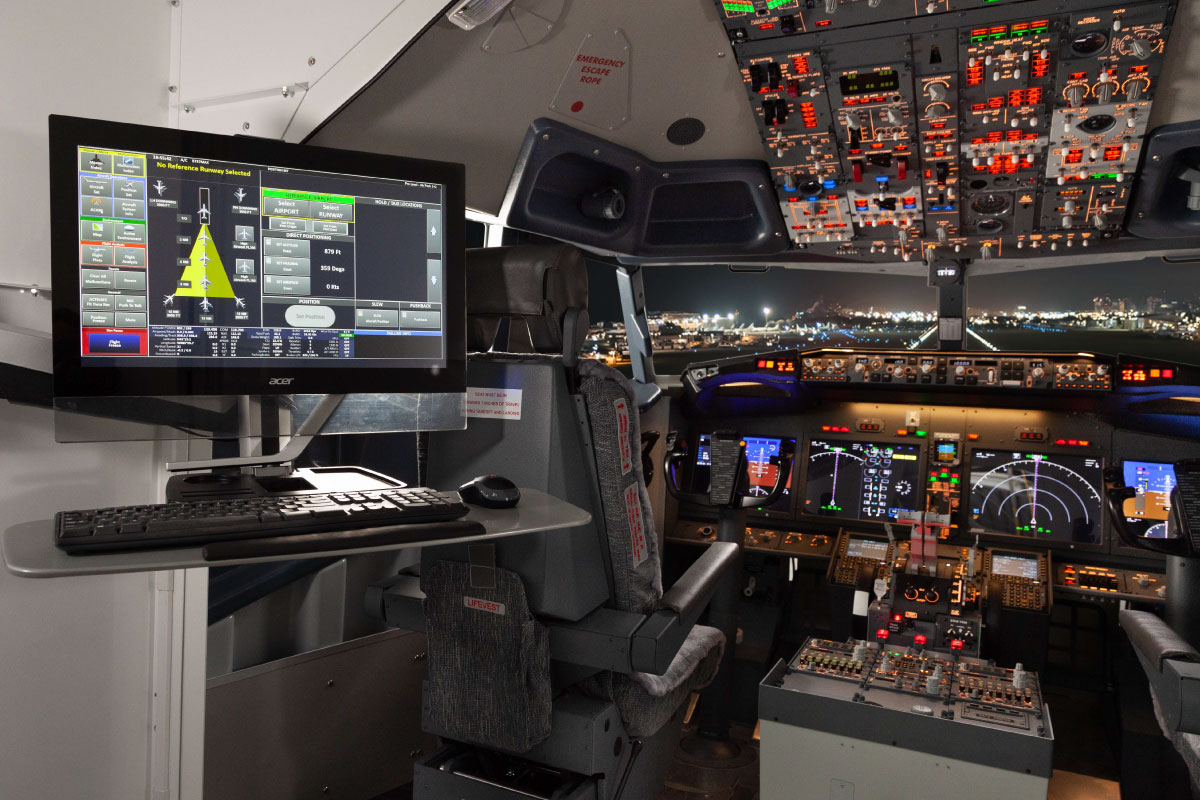
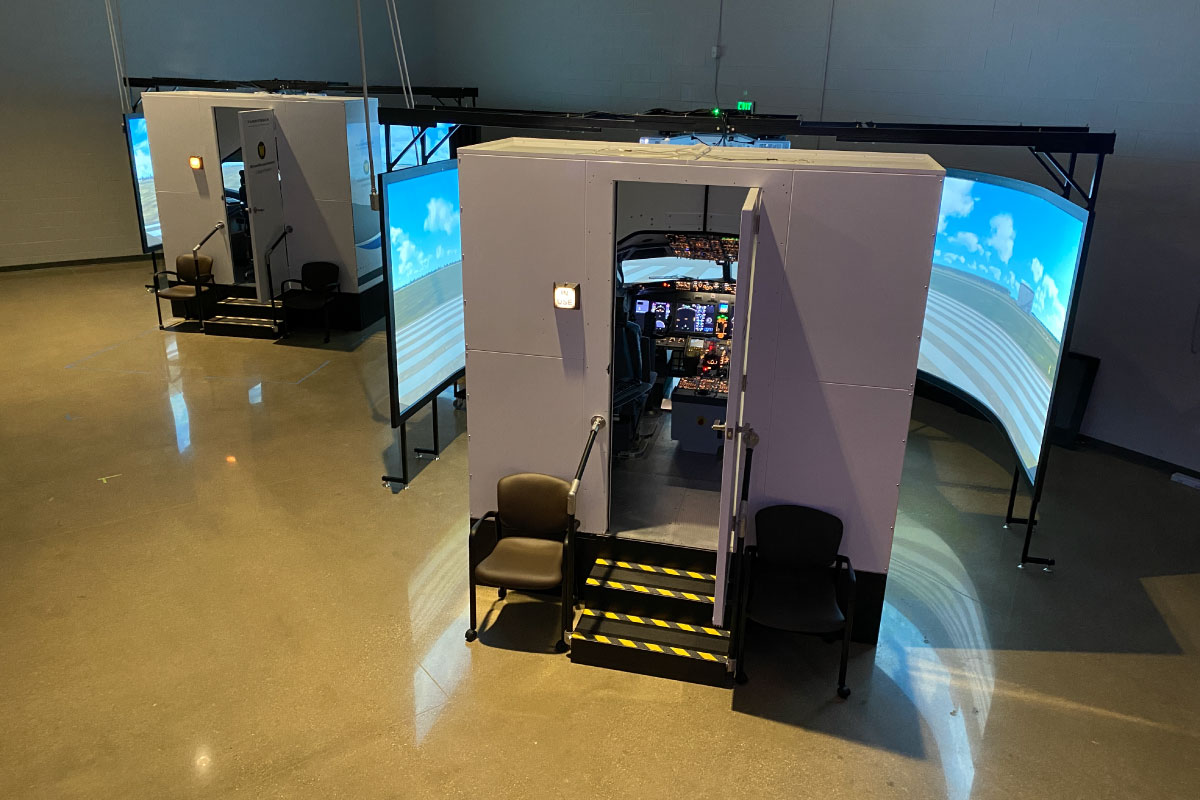
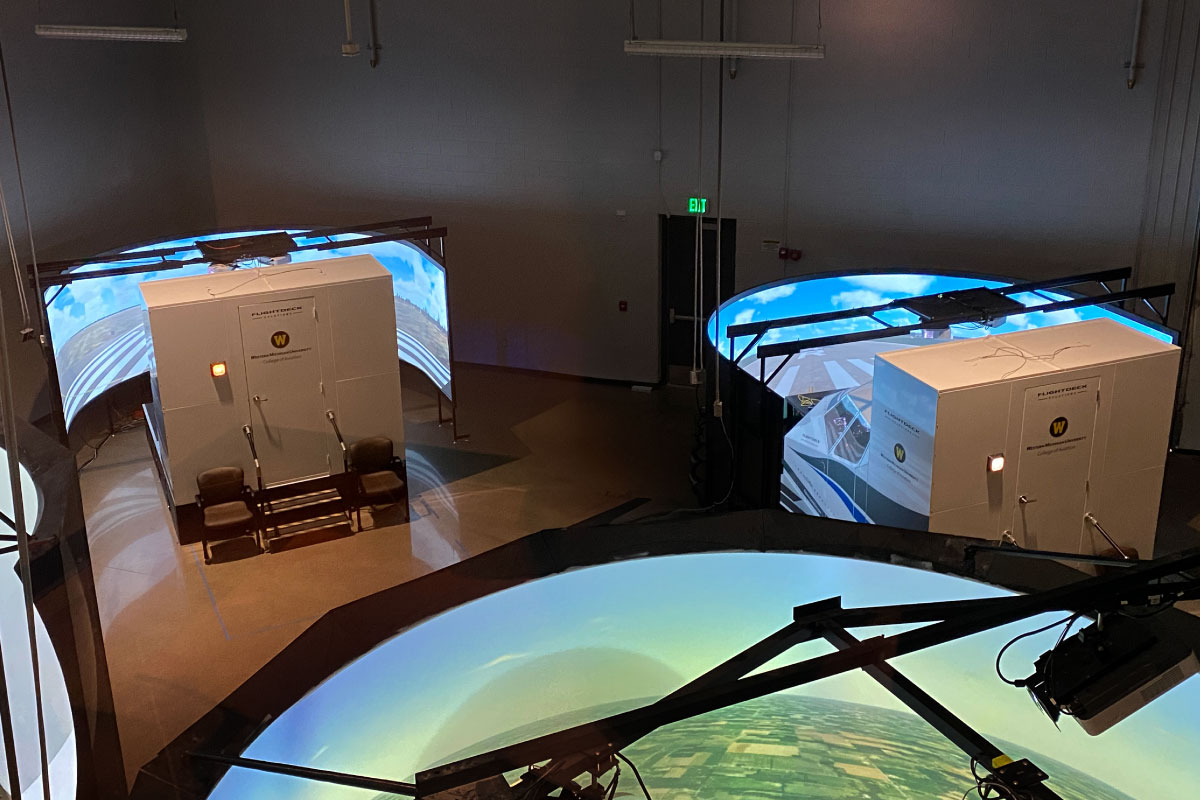
Dual FDS-B737MAX-FTD Devices at Western Michigan University, Battle Creek, MI, USA.
(Image Credits: Flightdeck Solutions)

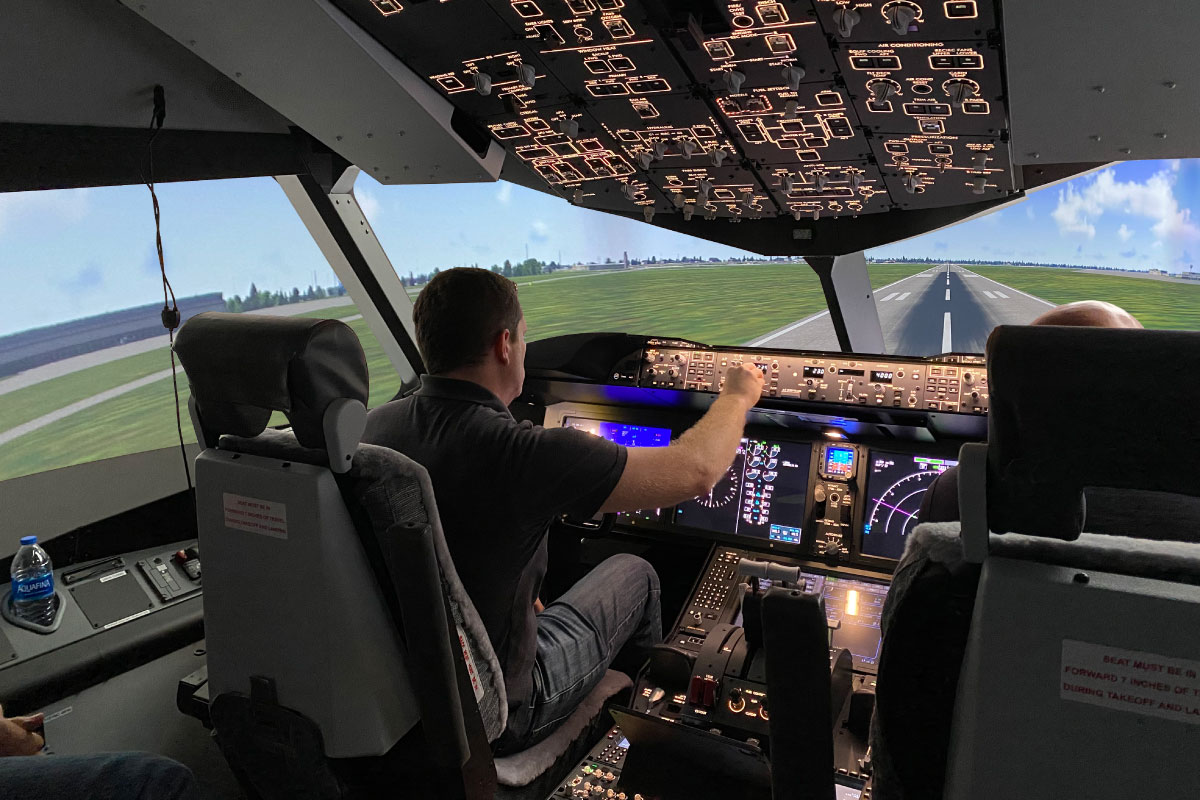
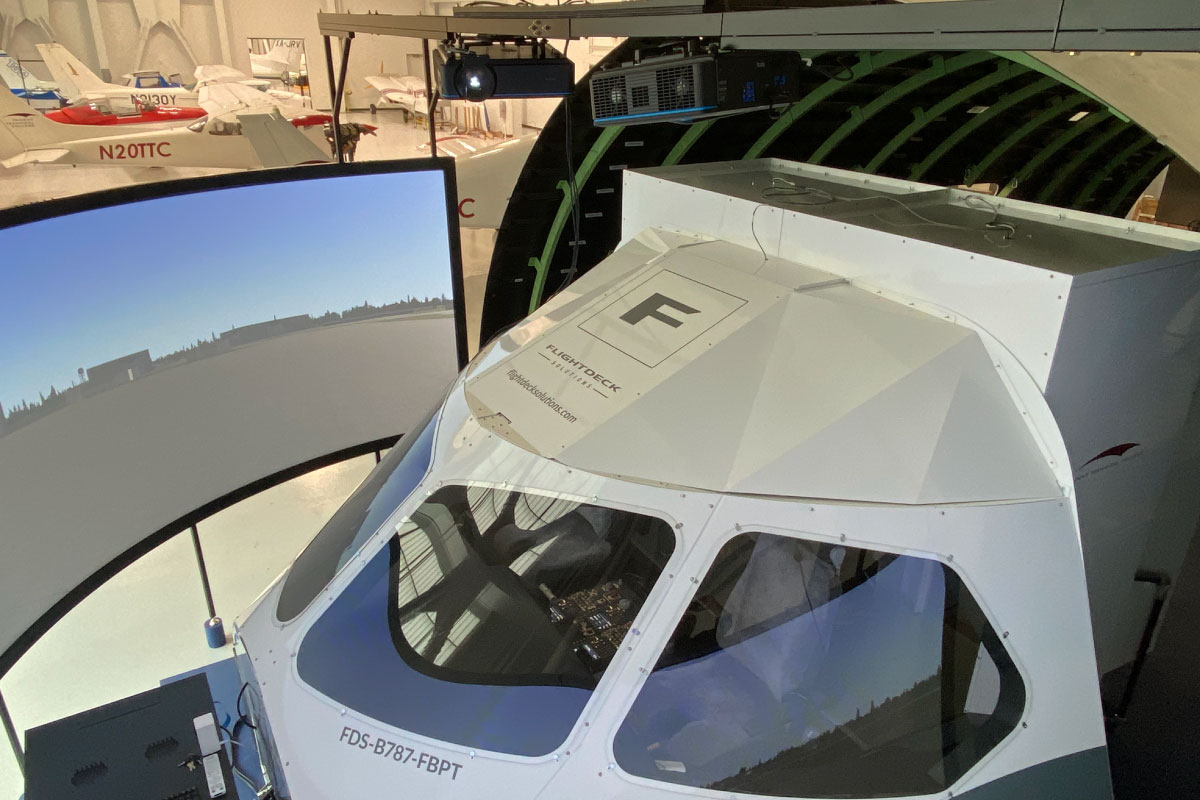
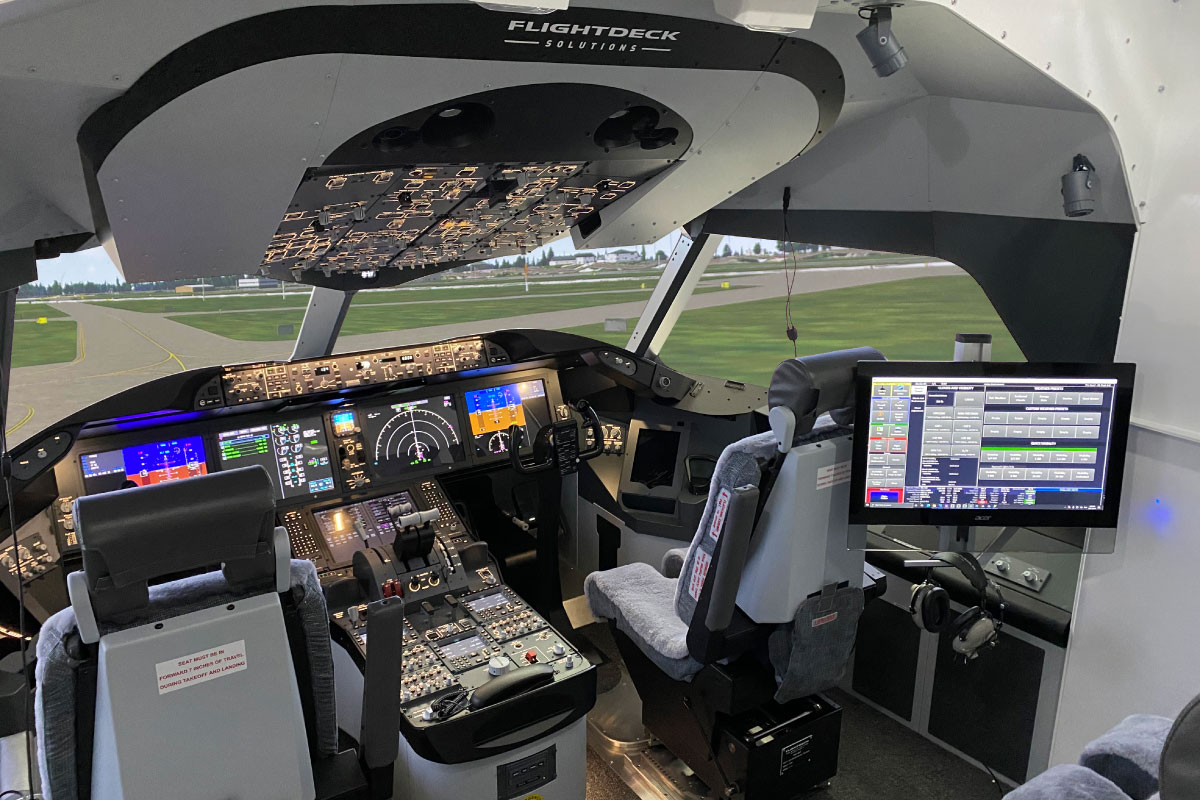
FDS-B787-FTD Device at Trident Technical College, Charleston, SC, USA. Also home to FDS-B737MAX-FTD.
(Image Credits: Flightdeck Solutions)

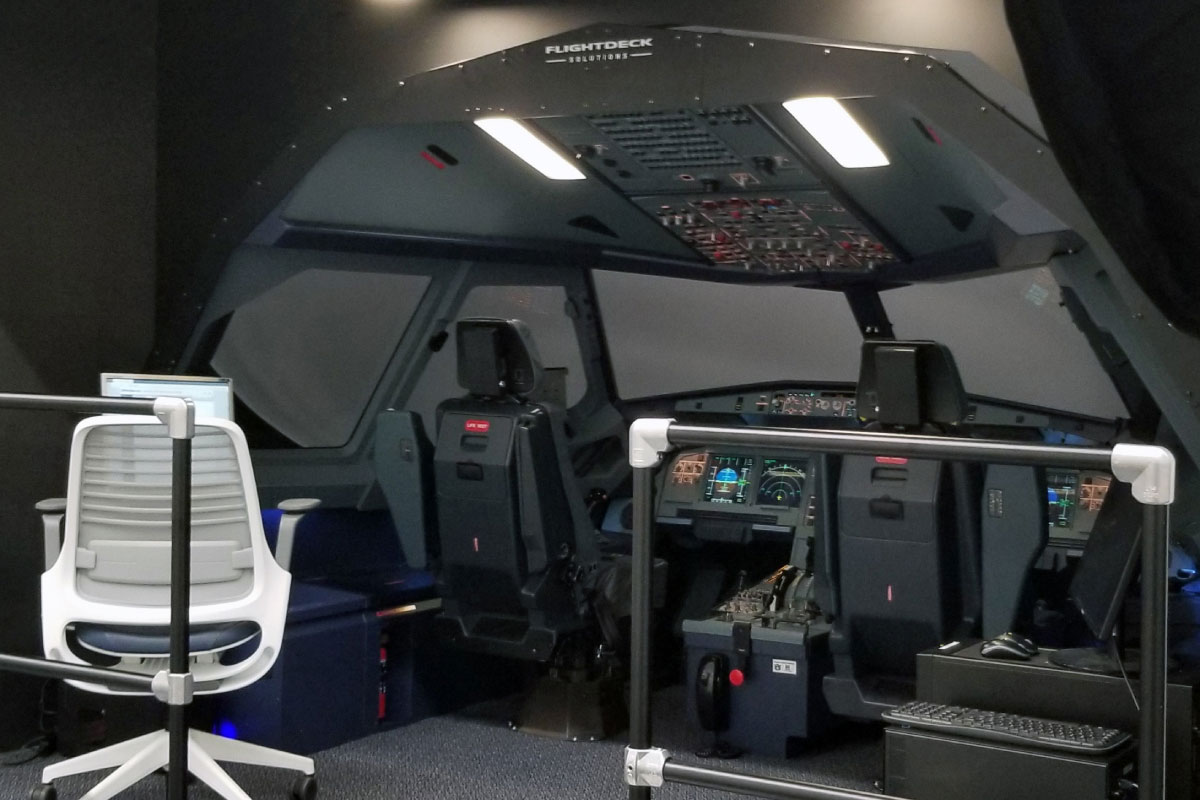
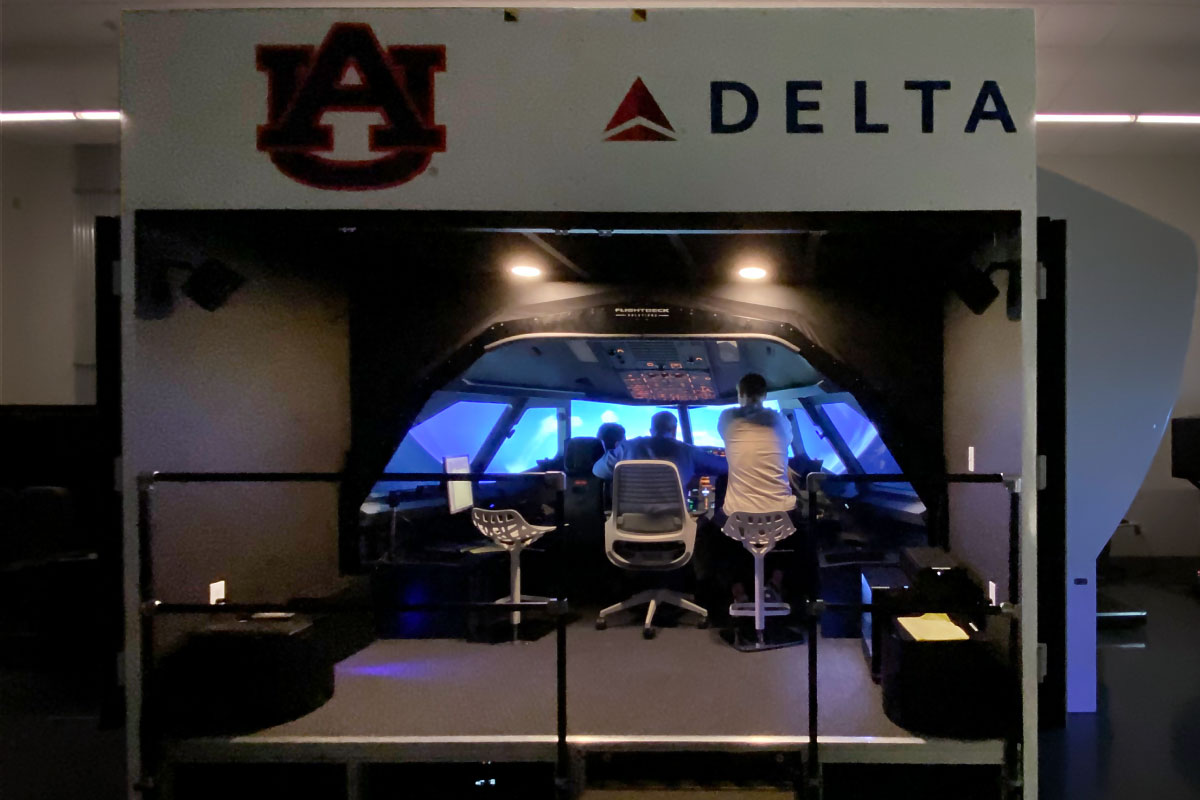
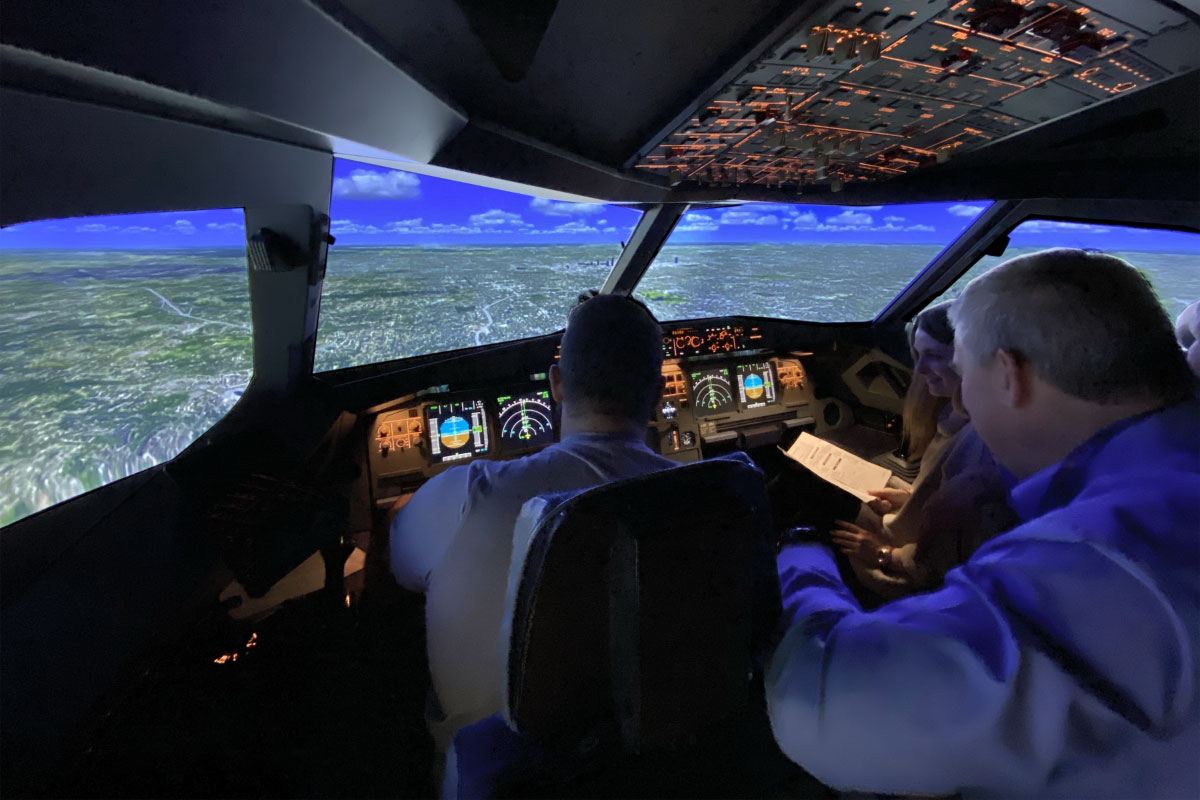
FDS-A320-FTD Device at Auburn University, AL, USA. Also home to a second FDS-A320-FTD.
(Image Credits: Flightdeck Solutions)

In The News
UNO Aviation Institute acquires new flight simulator for students | KETV
(Video Credit: KETV)
FDS B737MAX Device At Southeastern Oklahoma State University | KXII News
(Video Credit: KXII News)
BCIT Aerospace Program Unveils New Flight Simulators | City News
(Video Credit: City News)
Inside Look: How UNO Is Embracing The FDS-B737NG Flight Trainer & Transforming Their Curriculum | Fox42 News
(Video Credit: Fox42 News)
Why FDS
Fits Your Existing Space
Modular, all-metal devices assemble on site and pass through standard doorways, so most facilities install without building modifications.
Built In-House
Engineering and manufacturing under one roof means tight quality control and the flexibility to accommodate custom requirements.
Built To Last
Steel and aluminum construction stands up to high-use training environments that wear out MDF and fibreglass.
Professional-Grade Components
Line replaceable units, commercial control loading, and lockable server racks deliver aircraft realism with equipment-room reliability.
Comprehensive
Manufacturer Support
North American technical headquarters with direct engineering access, remote diagnostics, and international support through regional partners.
FAQs
Are FDS flight training devices suitable for Part 141 and accredited aviation programs?
FDS devices are built to recognized training standards and are used by university and college aviation programs to support procedures training and curriculum integration. The B737 MAX device holds FAA AATD Certification, Transport Canada Level 2 / MCC, and KOCA Level 4 Certification; the A320 device is FAA Level 4 Compliant. Certification services are available for other devices on request.
How do the devices fit into an existing curriculum?
Because the devices are on campus and on your schedule, instructors integrate them into existing courses for procedures training, standard operating procedures, and crew coordination, rather than working around offsite simulator availability.
What space and installation do the devices require?
FDS devices use a modular, all-metal design that fits through standard doorways and assembles on site, so most programs can install without building modifications.
Do the devices support airline pathway programs?
Yes. Full tactile flight decks let students practise airline-standard procedures so they arrive at pathway milestones already familiar with a transport-category cockpit.
What ongoing support does FDS provide?
Support comes directly from the FDS engineering team that designs and builds the devices, with international support through regional partners.
Ready To Transform Your Training Program?
Discover how FDS training devices can enhance your program efficiency, reduce costs, and meet regulatory requirements.