
Offer the airline track
your students are aiming for
Full tactile transport-category training devices that let flight training centres move beyond single and multi-engine training into commercial flight deck procedures, on your own floor.
Most flight training centres build their students up on single and multi-engine general aviation aircraft. But more of those students are aiming at an airline career, and they are choosing schools that can show them a clear line to the flight deck. Reaching that market has usually meant either sending students elsewhere for transport-category training or turning that business away.
A transport-category training device changes what a centre can offer, and who it can partner with, without leaving its own facility.
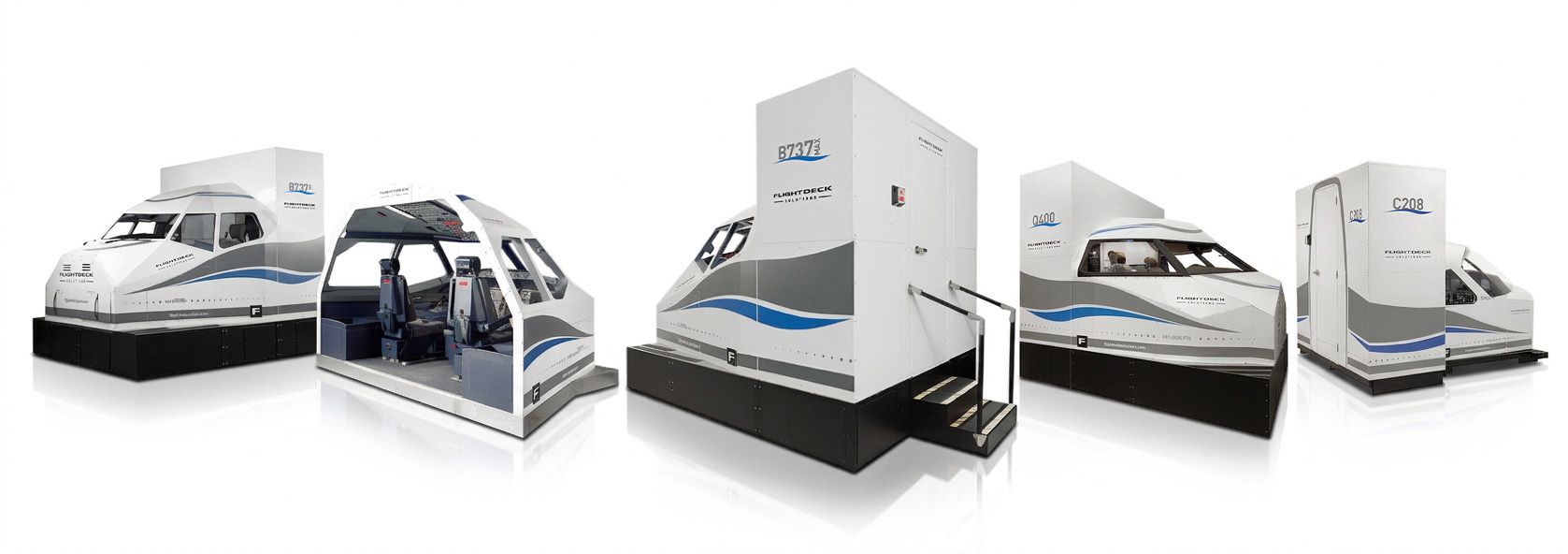
Why would a flight training centre have a B737 or A320 training device?
A flight training centre uses a transport-category training device to offer training that general aviation aircraft cannot provide: airline flight deck procedures, flows, multi-crew coordination, and systems familiarization on the aircraft types students are working toward. This lets a centre serve the commercial transport track directly, or partner with a degree program or pathway provider to deliver it, rather than sending that training, and that revenue, elsewhere.
For the centre, it is both a new capability and a recruiting advantage. Students choosing between schools notice which ones can take them closer to an airline flight deck, and the device is visible proof that a centre trains beyond the general aviation basics.
How FDS Helps
Move up into the commercial transport track
A transport-category device lets your centre offer airline flight deck procedures training, or partner with a degree program or pathway provider to deliver it, without sending students elsewhere.
Stand out to the students you want
Prospective students comparing schools notice which ones can take them closer to an airline career. A professional flight deck on your floor is visible proof that your centre trains beyond the basics.
Keep training when your aircraft can't fly
Weather, maintenance, and aircraft delivery delays stop flight hours, not device hours. Procedures and scenario training continues on schedule, so students keep progressing.
Reserve aircraft time for what needs it
Every hour of procedures and scenario training on the device is an hour that does not burn fuel, add engine cycles, or draw down aircraft maintenance and insurance, so your aircraft time goes where it is genuinely needed.
Move up into the
commercial transport track
A transport-category device lets your centre offer airline flight deck procedures training, or partner with a degree program or pathway provider to deliver it, without sending students elsewhere.
Stand out
to the students you want
Prospective students comparing schools notice which ones can take them closer to an airline career. A professional flight deck on your floor is visible proof that your centre trains beyond the basics.
Keep training
when your aircraft can't fly
Weather, maintenance, and aircraft delivery delays stop flight hours, not device hours. Procedures and scenario training continues on schedule, so students keep progressing.
Reserve aircraft time
for what needs it
Every hour of procedures and scenario training on the device is an hour that does not burn fuel, add engine cycles, or draw down aircraft maintenance and insurance, so your aircraft time goes where it is genuinely needed.
Partnering with a college or university program?
Recommended Devices
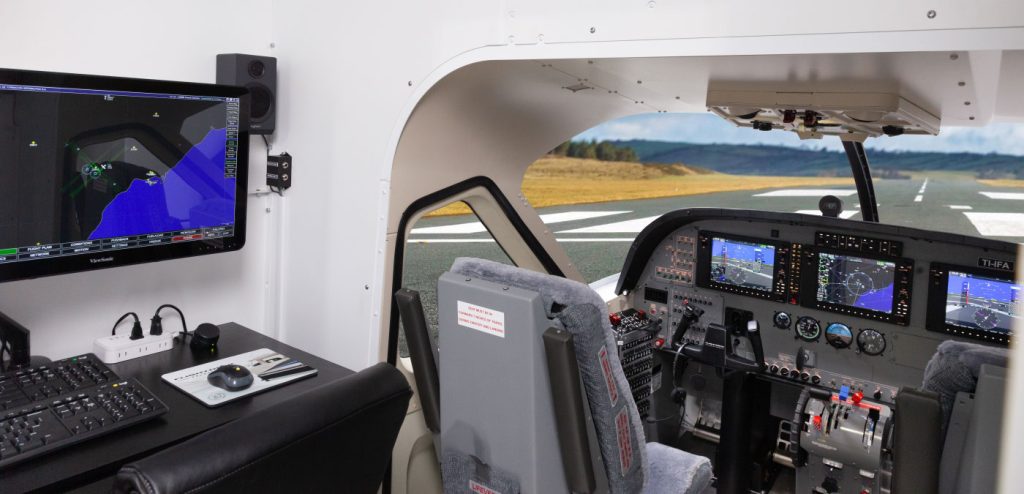
C208B
FAA AATD | COMPLIANT
Transport Canada Level 2/MCC | COMPLIANT
FAA Level 4 | COMPLIANT
EASA FNPT2/MCC | COMPLIANT
A natural first step beyond single and multi-engine training, into commercial commuter and utility operations.
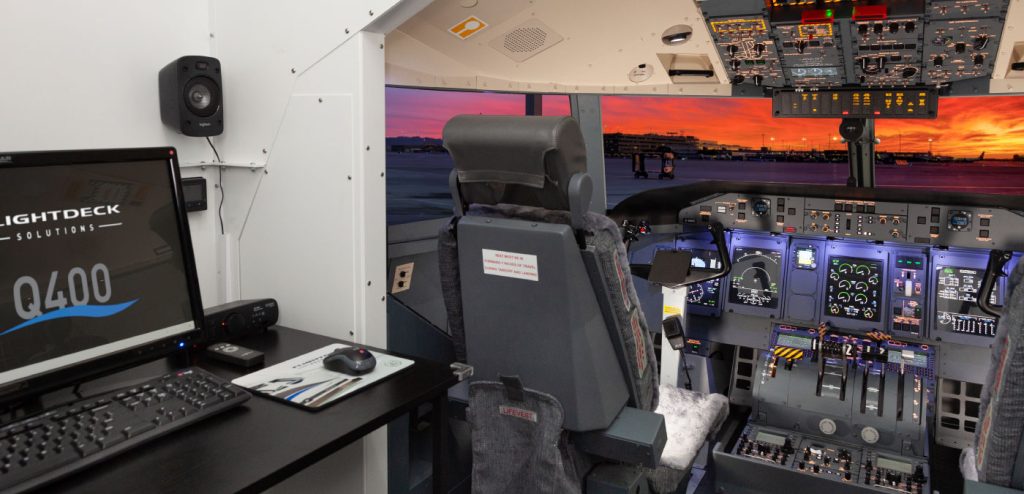
Q400
FAA AATD | COMPLIANT
Transport Canada Level 2/MCC | COMPLIANT
FAA Level 4 | COMPLIANT
EASA FNPT2/MCC | COMPLIANT
Turboprop flight deck training for the regional airline routes many pilots fly first on the way to a major.
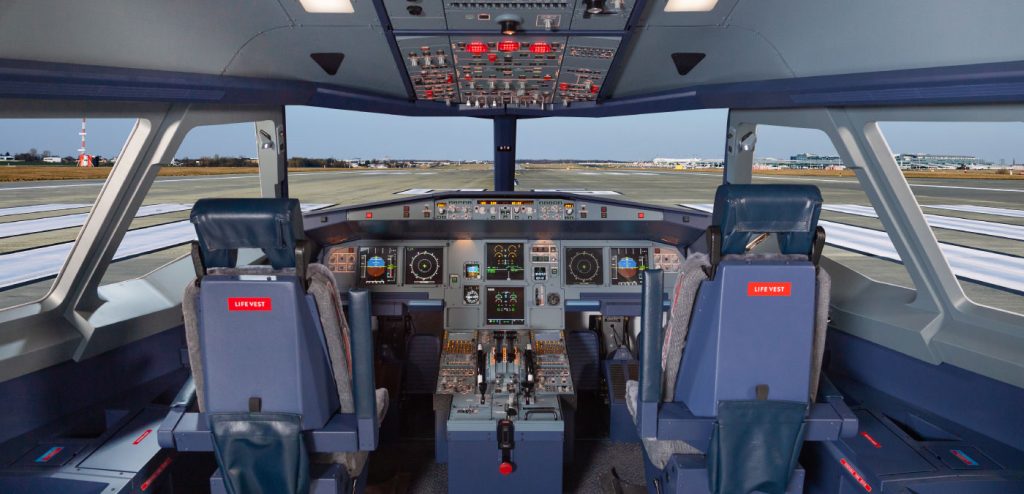
A320
FAA AATD | COMPLIANT
Transport Canada Level 2/MCC | COMPLIANT
FAA Level 4 | COMPLIANT
EASA FNPT2/MCC | COMPLIANT
Authentic sidestick, fly-by-wire training for students heading toward A320 fleets.
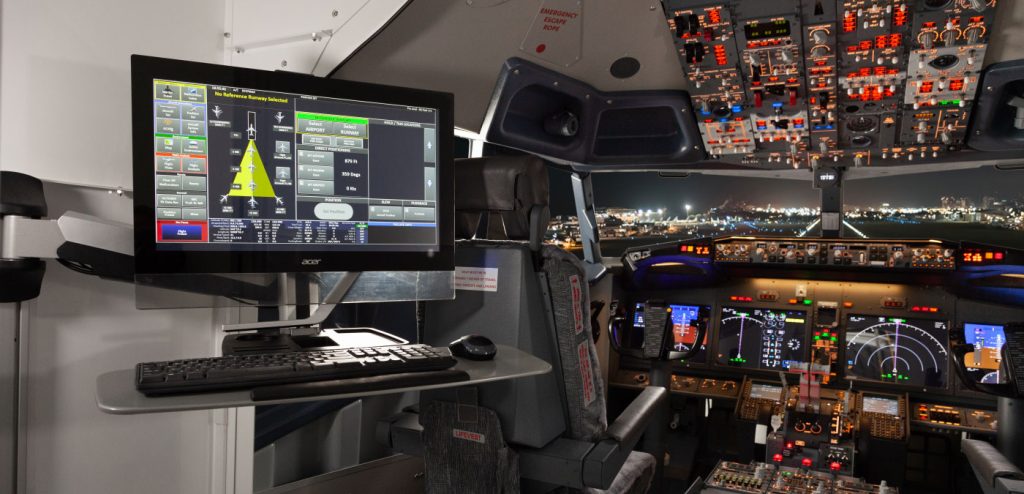
B737MAX
FAA AATD | CERTIFIED
Transport Canada Level 2/MCC | CERTIFIED
FAA Level 4 | COMPLIANT
EASA FNPT2/MCC | COMPLIANT
FDS’s most credentialed device, built around the narrow-body jet family most airline-bound students are working toward.
Regulators certify each installation individually; certified status reflects FDS installations in service.
What flight training centres say about FDS
Waterloo Wellington Flight Centre installed three FDS devices, a B737 MAX, an A320, and a Q400, at its Breslau, Ontario location, so students train on the aircraft they will fly at an airline.
Orizon Aviation added an FDS B737 MAX to deliver its ATP-A (airline pilot) training, offered in alignment with Mérici Collégial Privé’s integrated airline pilot program (Pilote de ligne intégré)
Featured Installations
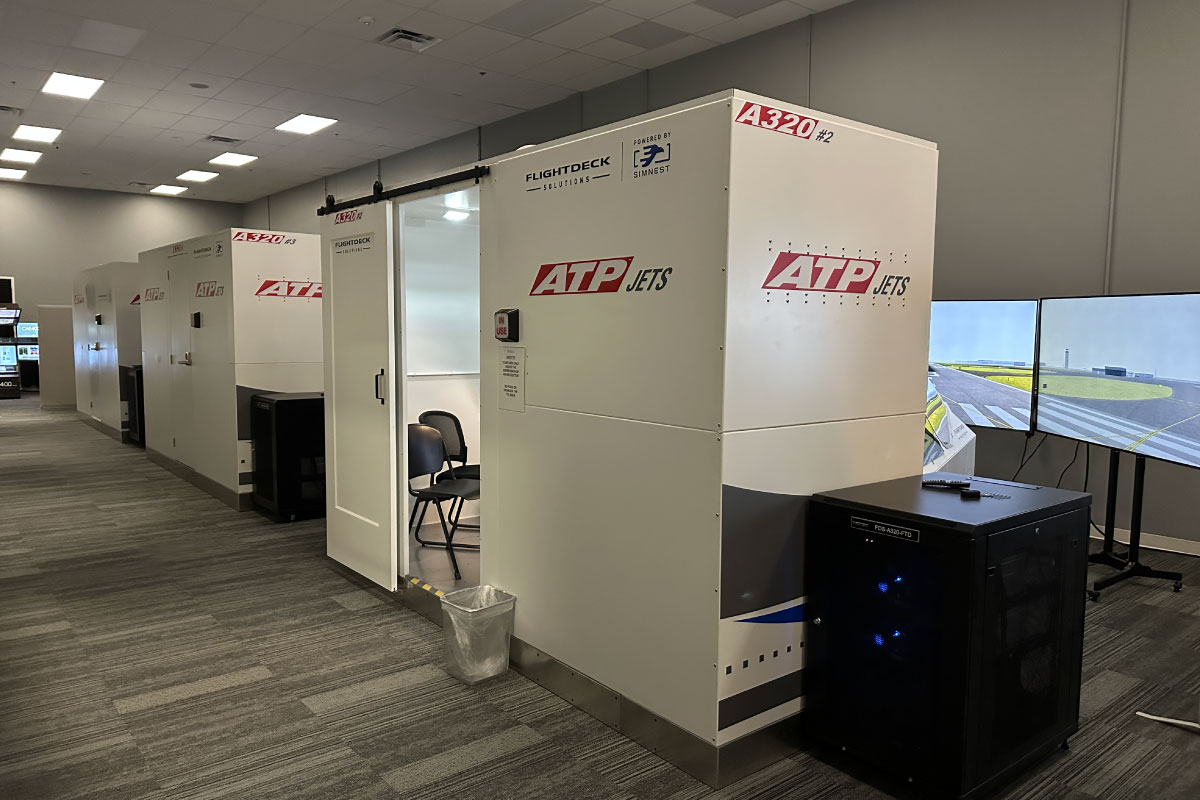
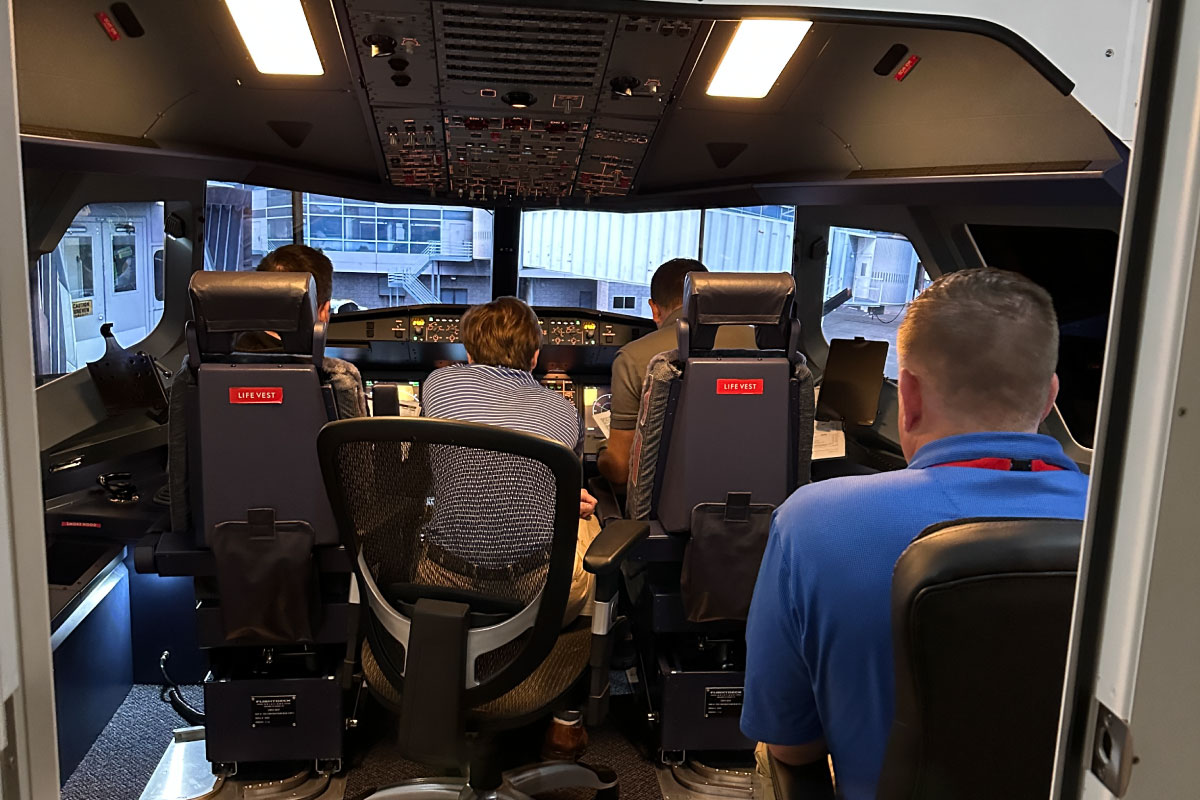
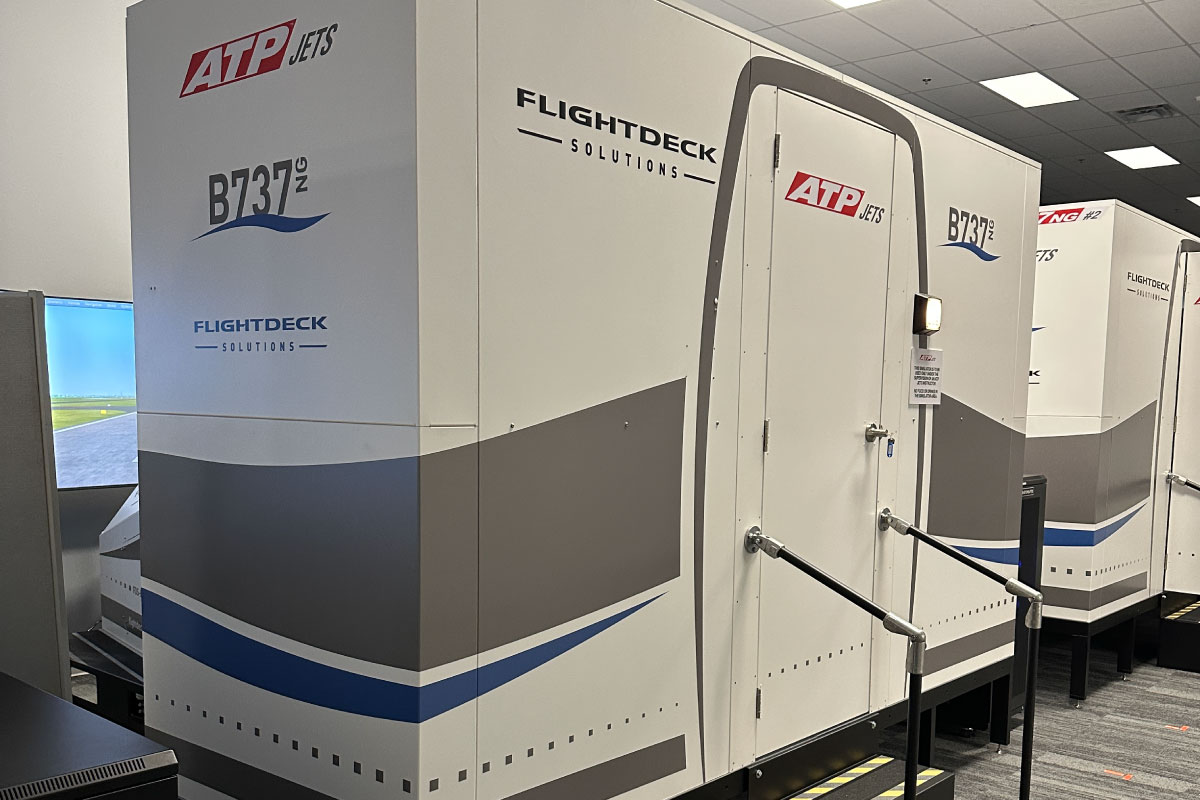
FDS-A320-FTD (5) and FDS-B737NG-FTD (2) Devices at ATP Flight School, Irving, TX, USA.
(Image Credits: Flightdeck Solutions)
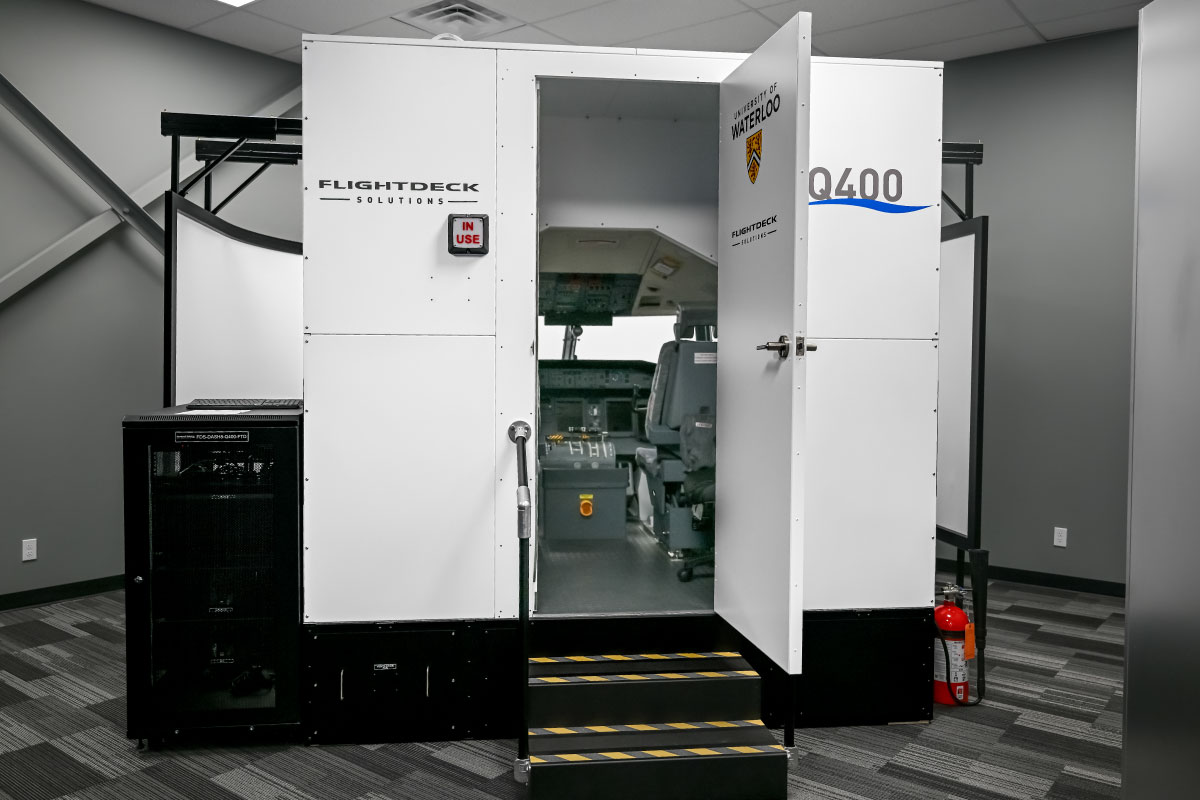
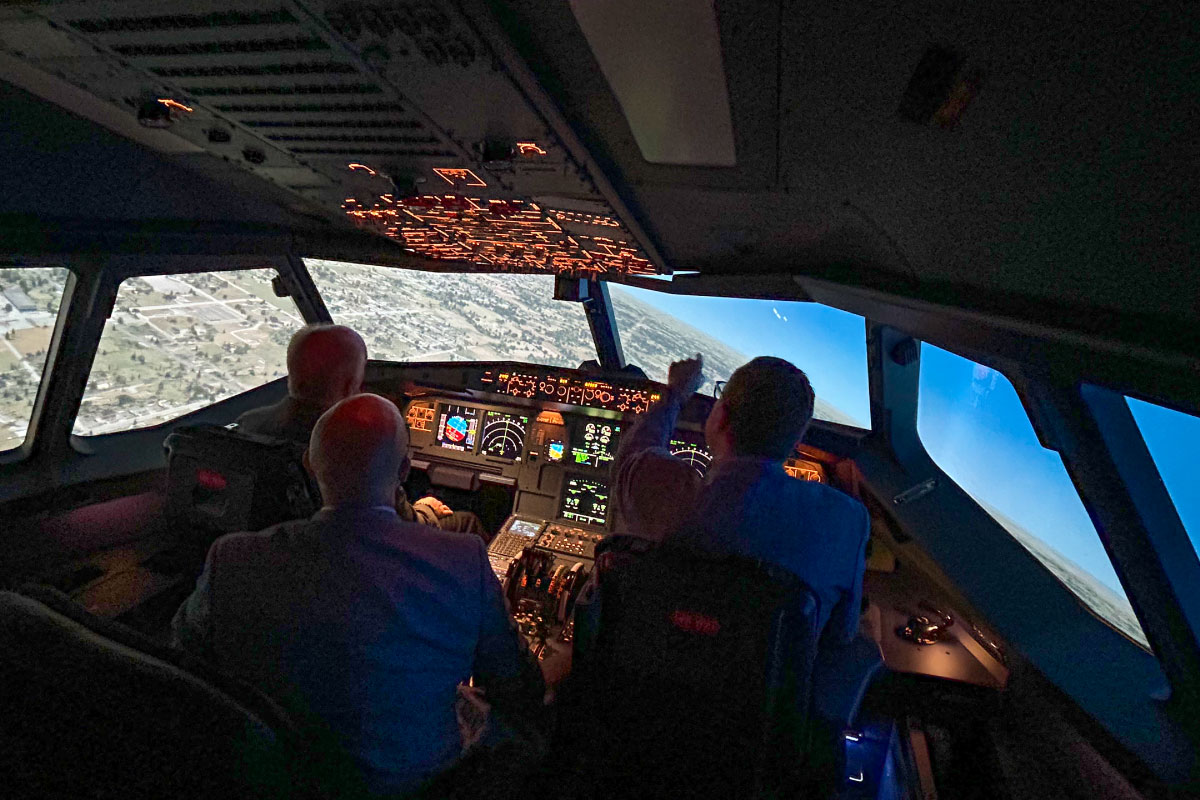
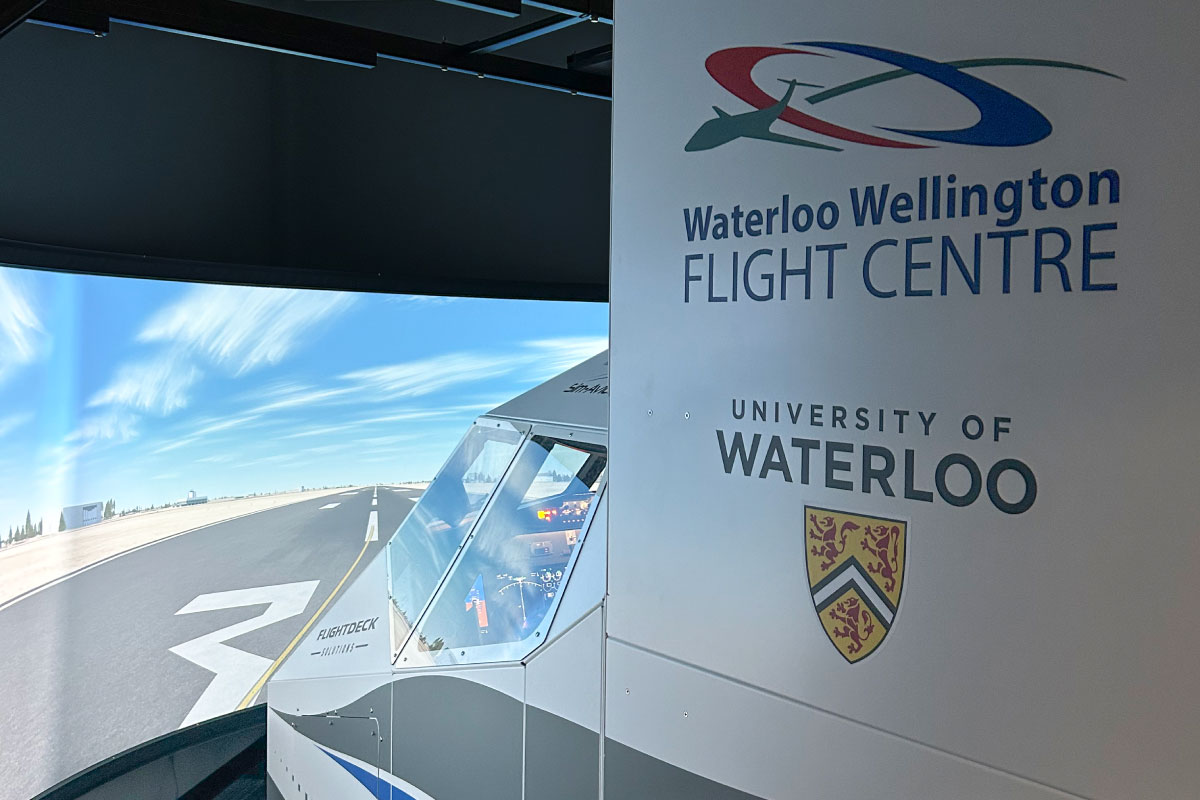
FDS-B737MAX-FTD, FDS-A320-FTD, and FDS-Q400-FTD at Waterloo Wellington Flight Centre, Breslau, ON, Canada.
(Image Credits: left, mid – WWFC | right – FDS)

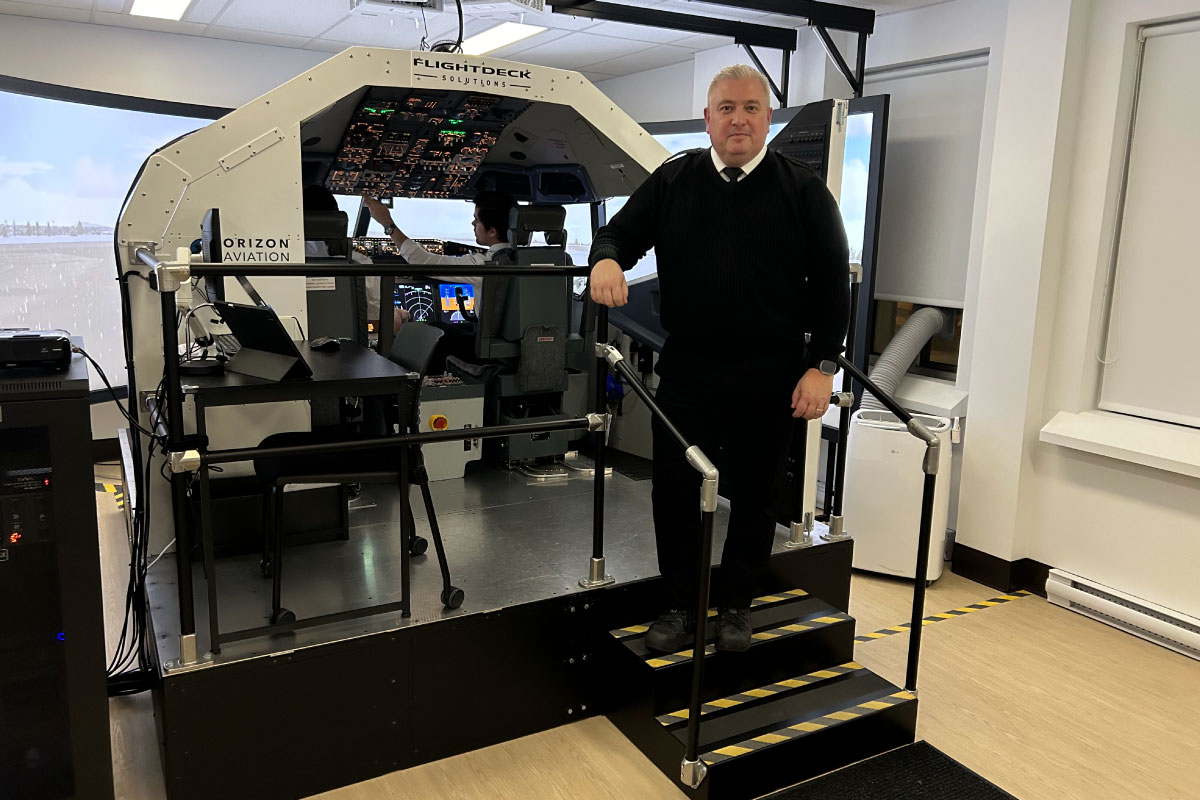
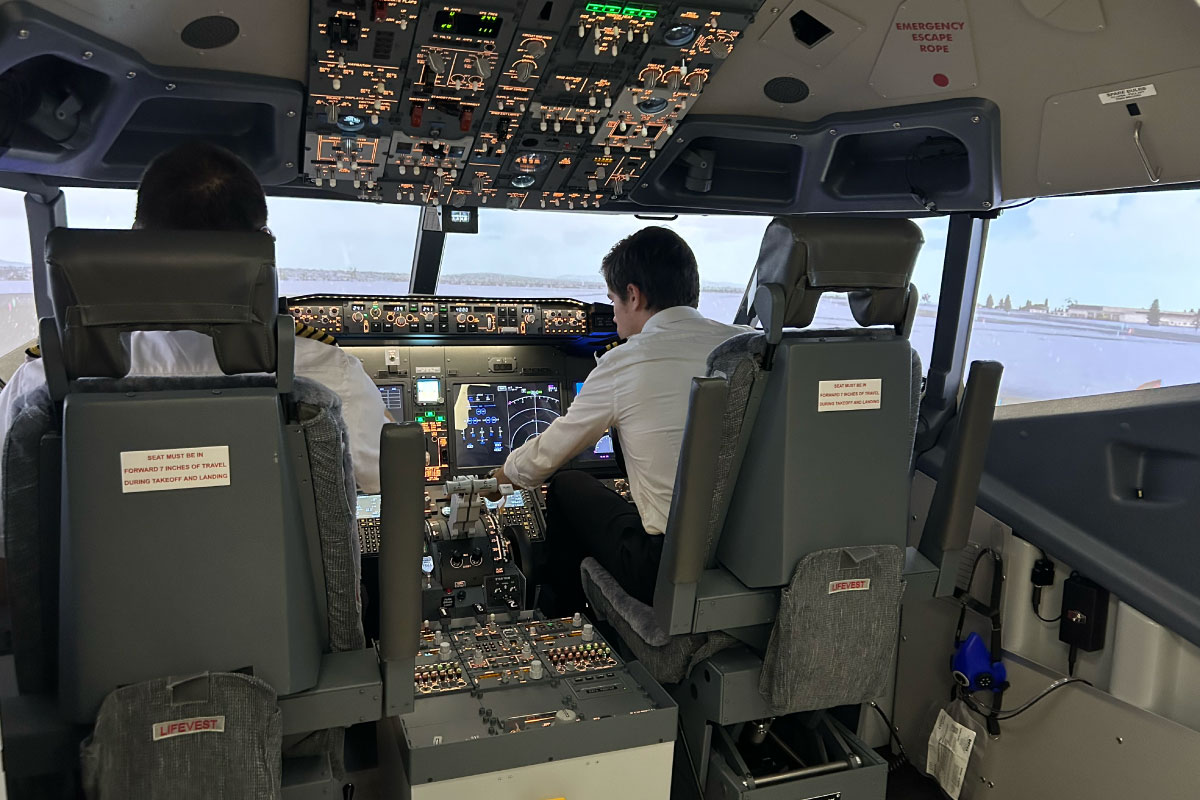
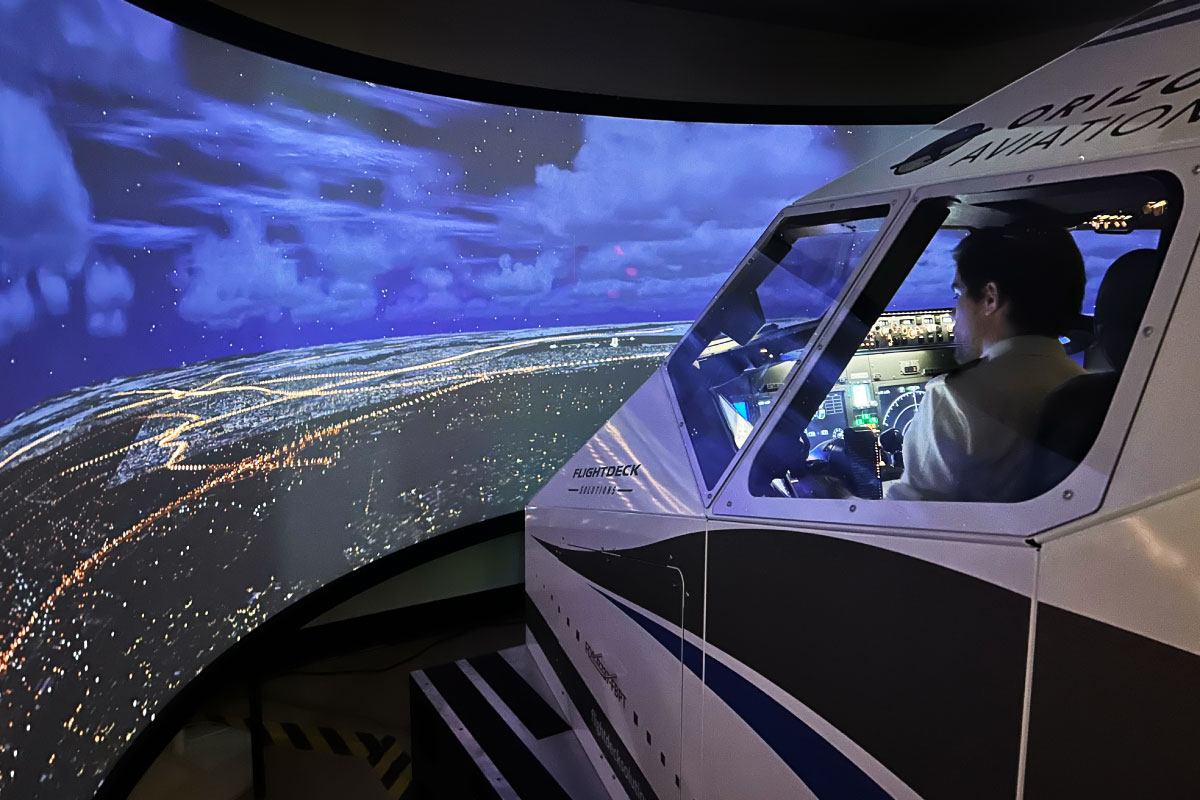
FDS-B737MAX-FTD Device at Orizon Aviation, Quebec City, QC, Canada.
(Image Credits: Flightdeck Solutions)
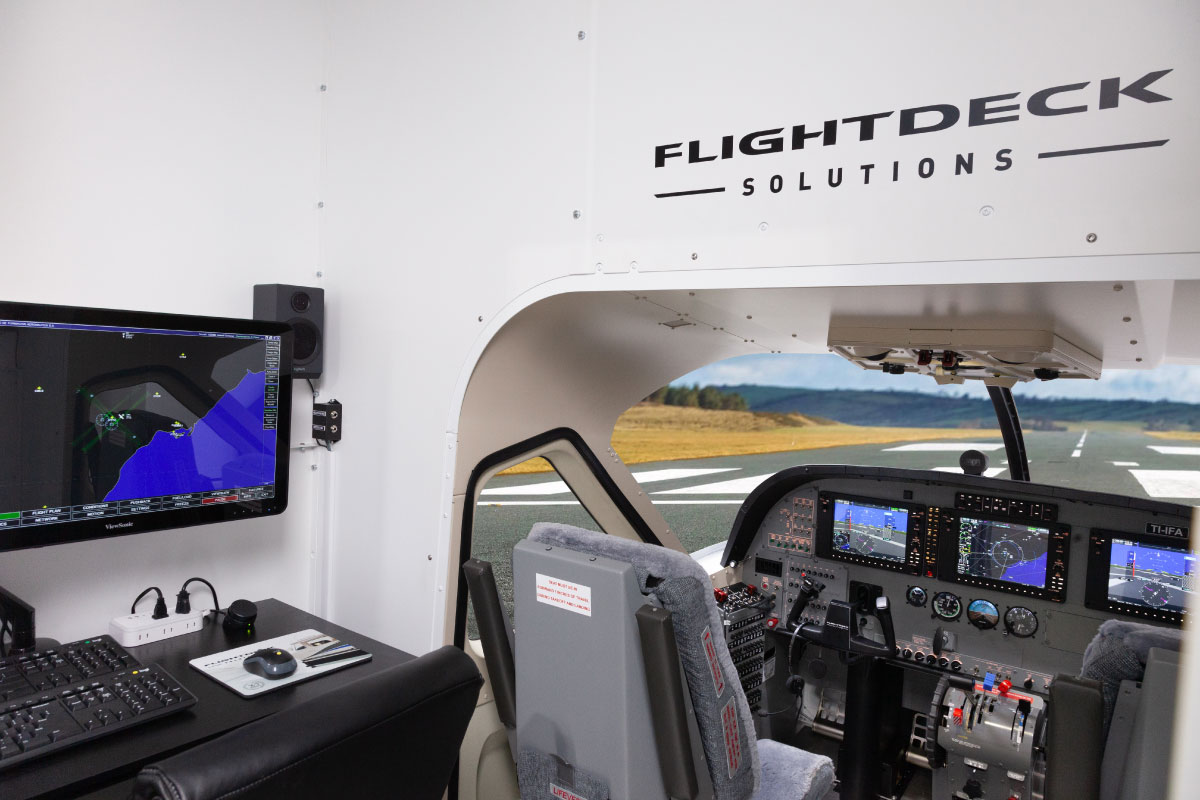
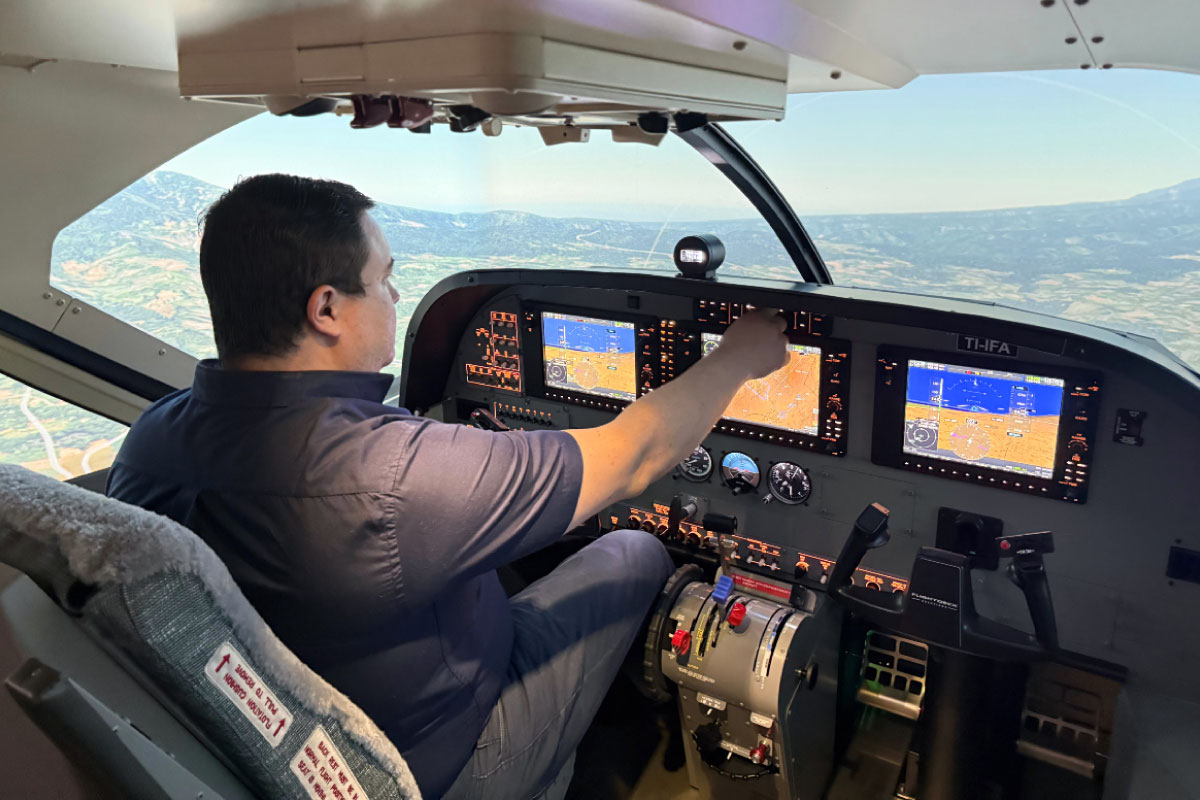
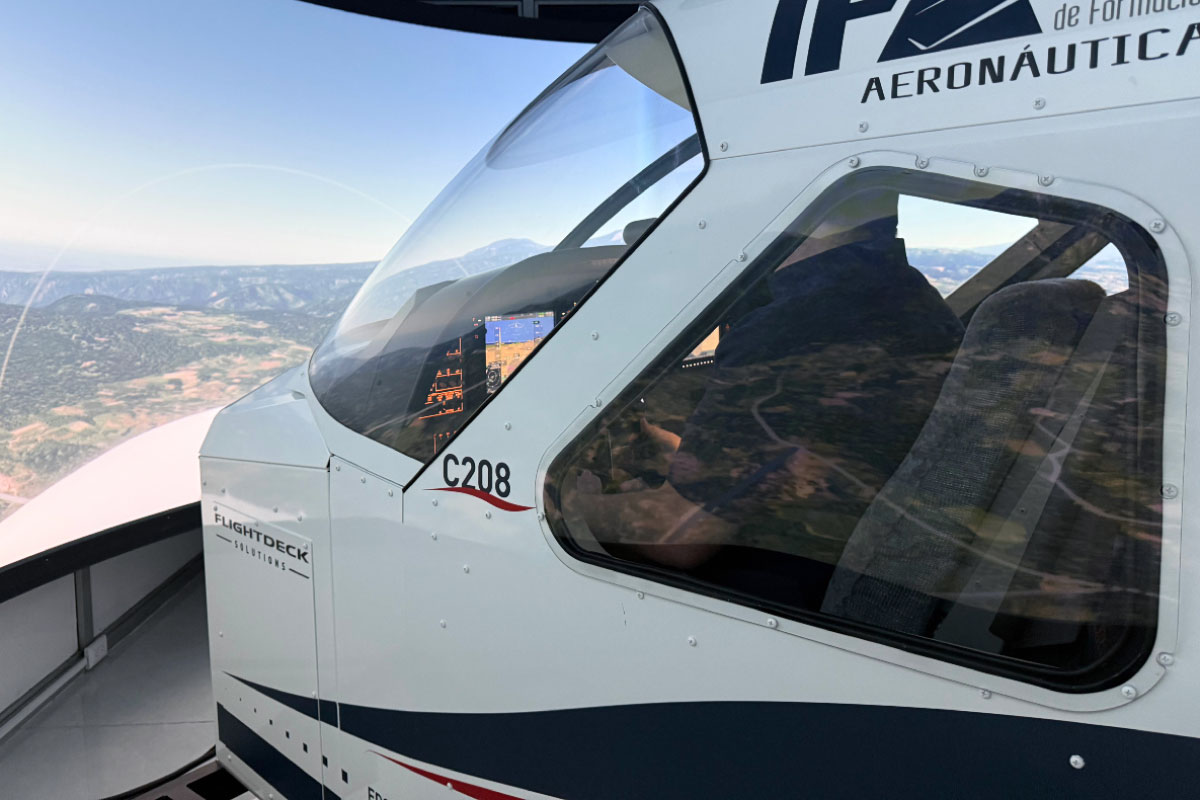
FDS-C208B-FTD Device at Instituto de Formación Aeronáutica, Heredia, Costa Rica.
(Image Credits: left – FDS | mid, right – IFA)
Why FDS
Fits Your Existing Space
Modular, all-metal devices assemble on site and pass through standard doorways, so most facilities install without building modifications.
Built In-House
Engineering and manufacturing under one roof means tight quality control and the flexibility to accommodate custom requirements.
Built To Last
Steel and aluminum construction stands up to high-use training environments that wear out MDF and fibreglass.
Professional-Grade Components
Line replaceable units, commercial control loading, and lockable server racks deliver aircraft realism with equipment-room reliability.
Comprehensive
Manufacturer Support
North American technical headquarters with direct engineering access, remote diagnostics, and international support through regional partners.
FAQs
Can a flight training centre offer commercial transport training without being an airline?
Yes. A transport-category training device lets a centre deliver airline flight deck procedures, flows, and systems familiarization directly, and many centres pair the device with a degree program or pathway partner to offer a formal transport track. The device provides the training capability; the formal program structure comes from the centre and its partners.
Does the device replace aircraft training?
No. Students still complete their required flight hours in aircraft. The device handles the procedures, flows, systems, and scenario training that do not require an aircraft, which keeps students progressing when aircraft are grounded and reserves aircraft time for what genuinely needs it.
How does it fit Part 61 and Part 141 operations?
The device supports procedures and scenario training that complements both Part 61 and Part 141 flight training.
What space and installation does it need?
FDS devices use a modular, all-metal design that fits through standard doorways and assembles on site, so most centres install without building modifications.
Which aircraft types are available?
FDS builds the C208B, Q400, A320, B737 MAX, and other configurations. The B737 MAX device holds FAA AATD Certification, Transport Canada Level 2 / MCC, and KOCA Level 4 Certification; the A320 device is FAA Level 4 Compliant. The C208B and Q400 are built to recognized training standards, with certification services available on request.
Let's talk about where your center is headed.
A short consultation to understand your training programs, your growth goals, and how a transport-category device could extend what your center offers.